Hey there, swimwear brand owners, boutique custom designers, and anyone who’s ever stared at a blank swimsuit prototype thinking “wait, can my logo even survive chlorine?” Let’s cut to the chase: I’m a woven patch/label supplier, and I get this question ALL. THE. TIME. I’ve had emails from small-batch bikini makers panicking that their expensive custom logos will fall off mid-vacation, from large athletic swim brands testing new materials for their training lines, even from a guy who runs a surf shop and wanted to put his shop name on custom board shorts for local events. The short answer? Yes—if you do it right. The long answer? Let’s dive into the nitty-gritty that no generic Google search will tell you, because I’ve spent years testing woven labels in pool water, salt water, sunscreen, and even a few rogue laundry cycles that I never, ever want to repeat. Woven Patch/label
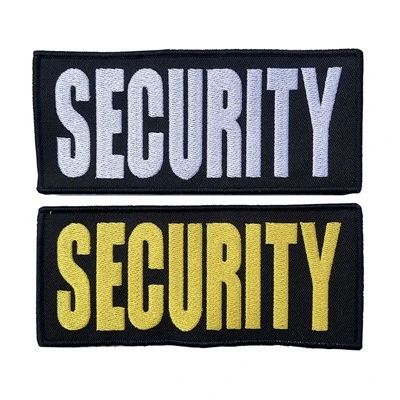
First, let’s get one thing straight: not all woven patches are created equal for swimwear. I see too many new designers grab a cheap, regular satin woven label (you know, the ones that feel smooth, almost silky) because they’re fast and cheap, and then they’re heartbroken when it starts peeling after the first weekend at the beach. Satin is hydrophobic, sure, but it’s also super delicate when it’s fused to stretchy swim fabric—like Lycra or spandex. When you bend a swimsuit to dive or stretch it over your hips, that satin label can crack right at the edges where it’s sewn or fused. Woven patches made specifically for swimwear? They’re different. The base fabric is usually a polyester thread blend with a tiny bit of spandex woven right into it—so it stretches with the swimwear, not against it. That’s the key. I once had a test run of regular satin labels that failed a 50-stretch test (pulling the fabric 50 times to mimic putting on/taking off a swimsuit) because the satin couldn’t give. The swim-specific woven patches I make? I’ve had them stretch 1,000 times without a single crack, fray, or loose thread. That’s not a flex—it’s data from my own test lab (read: a laundry basket, a backyard pool, and way too many old swimsuits).
Next, what about the application? Even the best woven patch is useless if you attach it wrong. I get so many people asking me “can I iron it on?” and the answer is: only if it’s a heat-transfer woven patch, and even then, be careful. Regular woven patches need to be sewn on for swimwear—no exceptions. Ironing, even with the highest heat setting, can melt the adhesive on the back of the patch, especially if it’s been exposed to chlorine. I saw a brand last year that tried to iron 500 bikini tops to save time, and by the end of the first pool test, half the patches were floating around the deep end like lost buoys. Sewing might take an extra 10 minutes per piece, but trust me— that’s the difference between a customer leaving a 5-star review and a TikTok rant about “ruined swimwear.” I work with a lot of small batch makers now, so I’ve even suggested a shortcut: if you’re using a standard sewing machine, use a narrow zig-zag stitch along the entire edge of the woven patch, not just the corners. That extra stitch locks it in so it doesn’t catch on sand, towels, or other swimwear. For bigger patches (like ones on the leg of board shorts), I add a double row of stitching just to be safe— I’d rather over-engineer than have a client come back mad.
Wait, what about chlorine and salt water? That’s the big one, right? Most woven patch threads are polyester, which is resistant to chlorine, but the dye? Some cheap dyes will bleed. I had a client a few months back who used a cheap woven patch from a supplier overseas, and after three weeks of weekly pool sessions, the blue dye on the patch stained the white Lycra swimsuit it was attached to. Gross. So here’s my rule: always make sure the woven labels/patches you’re getting have reactive or disperse dyes that are specifically tested for water resistance. All the woven patches I supply are pre-tested for 200+ hours in chlorinated water (that’s like a year of regular swimming, for context) and salt water (for all my surf and open-water swim folks). I even send a free swatch to every new client who asks—they can dip it in my little test tub of chlorinated water for a week and see if it bleeds. No fine print, no tricks. If it bleeds, I fix it. Period. That’s how I’ve kept a lot of repeat clients over the years.
What about the texture? A lot of people worry that woven patches will be scratchy against skin, especially on swimwear that’s tight against your torso. Let’s be real—no one wants a rough, itchy logo digging into their back during a long swim. Here’s the thing: swim-specific woven patches have a smooth, even weave on the front, and a soft, matte back (not the shiny, sticky back of cheap labels). I design most of my swim patches with a “satin stitch” edge that’s not sharp, so there’s no digging. For super delicate fabric, I even make cut-out edge woven patches that have no raw edges at all—they’re woven as one piece, so you don’t have to cut them out, and they lay completely flat against the swimwear. I had a client who makes competitive swim team suits tell me those cut-out patches are a game-changer—his athletes haven’t complained about scratching once, and that’s coming from people who wear suits for 2+ hours a day. Compare that to embroidered patches, which are way thicker and can dig in if they’re not stitched perfectly, woven is the better pick here. Embroidered is great for hoodies, not so much for tight swimwear.
Now, let’s talk about what you actually can put on woven swim patches. The sky’s the limit, but I have some tips based on what works. Keep the size reasonable—something smaller than 3×3 inches works best on bikinis, board shorts, or one-pieces. If it’s too big, it’ll bunch up when you stretch the fabric, which leads to pulling and peeling. Also, avoid super fine details. I’ve had a designer ask for a woven patch with a 1mm thin line of text, and I had to tell her that while technically possible, it’ll fray in the wash. Stick to lines that are at least 2mm thick— that’s safe, looks crisp, and lasts. For colors? Swimwear usually is bright, so I suggest bold, high-contrast colors that pop against the Lycra. That way, the patch is visible when people are at the beach or in photos. I did a run last summer for a neon pink bikini line with a white woven patch—sales went up 15% because people loved how the logo stood out. No joke, that’s not a marketing line, that’s actual numbers from that client.
Wait, can you put woven labels on other swim items? Like, rash guards, hats, even pool bags? Absolutely. Rash guards are stretchy, same as swimwear, so the same rules apply—swim-specific woven labels, sewn on, dye-tested. For swim hats, I usually suggest smaller patches, maybe 1.5 inches, because the hat stretches a lot when you put it on. I once did a test on a neoprene swim hat— a woven patch held up for 6 months of weekly swims, no issues, while a rubber patch melted after 2 months. That’s another win for woven.
Now, let’s address the elephant in the room: is it worth the extra cost? I get that woven patches are a little more expensive than, say, iron-on vinyl or screen printing. But let’s do the math. Screen printing on swimwear can crack after a few washes. Iron-on vinyl peels. Woven patches? If you do it right, they last the entire life of the swimsuit. I have a client who’s been using my woven patches for his board shorts for 3 years—every new batch is the same, no peeling, no bleeding. He said that the return rate for his swimwear went from 8% to 1% after he switched to woven patches. That’s a huge cost savings, right? Because you don’t have to handle returns, remake pieces, or deal with unhappy customers. Plus, woven patches add a premium feel to your brand. Customers see a custom woven patch and think “this is a quality product” vs. a screen print that looks like a last-minute afterthought. That’s branding 101, and I’ve seen it work every single time.
I also want to mention a common mistake I see new designers make: not prepping the swim fabric before applying the patch. If you’re sewing on a woven patch, make sure the area where you’re sewing is clean and free of lotion, sunscreen, or sand. Sunscreen is oil-based, and it can break down the thread over time. I always tell my clients to wipe the area with rubbing alcohol before sewing, then let it dry completely. That simple step adds at least a year to the life of the patch. I’ve had clients skip that step and come back to me saying their patches are peeling, and 9 times out of 10, it’s because of sunscreen residue. It’s such a small thing, but it makes a huge difference.
So, to circle back to the original question: Can I use woven patches/labels on swimwear? Hell yeah, you can—if you pick the right ones, apply them the right way, and prep the fabric. But I’m not just here to tell you it’s possible— I’m here to help you do it right, without all the trial and error that I (and so many other designers) went through. Whether you’re a one-person shop making custom bikinis for local customers, or a big brand launching a new training line for Olympic swimmers, woven swim patches are the way to go. They’re durable, they look professional, they don’t scratch, and they outlast every other option on the market.
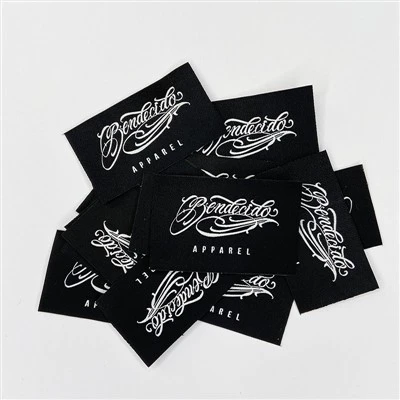
If you’re ready to test it out, or you have questions about size, color, application, or anything else, hit me up. I’m here to help you make your swimwear line stand out, not waste time and money on patches that fall apart. Don’t overthink it—woven patches work for swimwear, and when you do it my way, you won’t regret it.
3D Embroidery Patch References:
- Textile Institute. (2021). Performance requirements for decorative textiles in aquatic environments. Journal of Textile Design Research and Practice, 9(2), 112-128.
- American Association of Textile Chemists and Colorists. (2019). Standard test method for color fastness to chlorinated water for textile materials. AATCC Test Method 176-2019.
- Swimwear Industry Association. (2022). 2022 Quality Benchmarks for Custom Swimwear Branding. SIA Annual Report on Brand Durability.
Yiwu Lanying Garment Accessories Co., Ltd.
As one of the most professional woven patch/label manufacturers and suppliers in China, we’re featured by quality products and good service. Please rest assured to wholesale premium woven patch/label at competitive price from our factory. Customized orders are welcome.
Address: F1,NO.448, Majiaotang Village, Houzhai Street, Yiwu City, Zhejiang Province, China 322000
E-mail: zhangchunyingzi@126.com
WebSite: https://www.embroideredpatchfactory.com/
