If you’ve ever stood next to a construction crane lifting steel beams into place, or watched a garbage truck compaction machine crunch old kitchen trash into tiny cubes, you’ve interacted with a hydraulic actuator — and didn’t even realize it. As a hydraulic actuator supplier, I get asked all the time: what actually are these things used for? Most people picture them as “heavy equipment parts,” but the reality is way more varied. They’re the workhorses of industries that need precise, powerful, and reliable motion, and they show up in places you’d least expect. Let’s break down the most common (and some surprising) applications, and why they matter way more than you think. Hydraulic Actuator
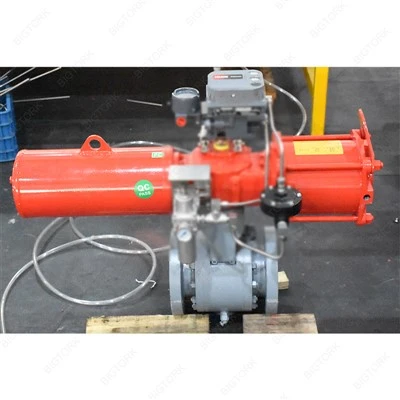
First off, let’s keep this simple: a hydraulic actuator is basically a device that uses pressurized fluid to create linear or rotary motion. Unlike electric motors that can stall under heavy load, hydraulics pack way more power-to-weight ratio for their size — perfect for jobs that demand brute force without extra bulk. No wonder they’re the go-to for industries that can’t afford downtime.
Construction & Mining: The Original Heavy Hitters
If you’re in construction, you know a crane, excavator, or bulldozer doesn’t run on luck. Every arm extension, bucket curl, or arm lift happens thanks to hydraulic actuators. Let’s talk excavators specifically: that 20-foot arm digging a foundation hole? Each joint is a hydraulic cylinder. You could fit 10 grown adults in that bucket, and the actuator moves it smoothly, no jerks, even at full load. It’s not just digging, either — the bulldozer’s blade, the crane’s boom extension, even the small controls for adjusting a skid-steer’s track tension are all hydraulic.
Mining takes this to a whole other level. We’re talking massive haul trucks that weigh 400 tons when fully loaded, and they use hydraulic actuators for their brakes (seriously, stopping a truck that size needs way more force than a regular brake pad can provide). Then there’s the drills used to blast mine tunnels — their bits rotate and press into rock with hydraulic power, which is way more consistent than electric power for that kind of continuous, heavy work. I’ve worked with mining companies that come back to us again and again because our actuators stand up to the dust, extreme temperatures, and constant vibration out at remote mine sites. They don’t break when you need them most, and that’s non-negotiable for that industry.
Agriculture: Feeding the World, One Hydraulic Cylinder at a Time
You might not connect tractors to hydraulics, but modern farming would be impossible without them. Think about a combine harvester: it cuts wheat, threshes the grain, and collects it all in a bin. Every step of that process is controlled by hydraulic actuators. The header (the part that cuts the crop) adjusts height automatically using hydraulics, so farmers don’t have to stop and manually adjust it every few feet of uneven field. The grain bin itself tilts to unload into a truck, and that tilt? Hydraulic power. Even smaller farm equipment, like a pickup’s attached plow or a hay baler’s knotting mechanism, uses tiny but tough actuators.
This industry is different from construction because farms can be remote, and equipment needs to work 12-hour days during harvest season. If a tractor’s actuator breaks in the middle of harvest, that’s a whole crop at risk. So farmers seek out actuators that are durable, low-maintenance, and reliable. That’s where our team comes in — we design actuators that can handle mud, dust, and temperature swings from 100°F (38°C) during the day to near freezing at night, no extra lubrication needed half as often. It’s not just selling a part; it’s making sure a farmer can feed their community.
Aerospace & Defense: Precision Meets Power
Aerospace? You’d think planes use all electric parts, but hydraulic actuators are still critical here, especially for large commercial aircraft. The flaps that extend on takeoff and landing — those are hydraulic. They need to move smoothly at high altitudes, where temperatures drop to -40°F (-40°C), and have to handle millions of cycles over a plane’s 20+ year lifespan. Even fighter jets use hydraulic actuators for their flight control surfaces; these systems are fail-safe, because if hydraulics were to fail, the plane can’t be controlled. We supply actuators for smaller defense equipment too, like armored vehicles that move their gun turrets with hydraulic power — no vibration from electric motors, so the turret stays stable when firing.
The cool part about aerospace is the precision. A commercial jet’s wing flaps need to extend exactly the right amount, and hydraulic actuators let engineers dial in that precision, way better than most electric systems for large, high-load parts. I’ve had aerospace clients tell me they’d rather go with hydraulics because the power-to-weight ratio is unbeatable — they don’t have to add extra pounds of equipment to get the force they need, which saves fuel over thousands of flights.
Marine: Navigating the High Seas (and Small Boats)
Boats, big and small, rely on hydraulics more than people realize. Large cargo ships use hydraulic actuators for their rudders — turning a 1,000-foot ship at sea requires so much force, manual steering is impossible. Even the cranes on cargo ships that load and unload containers at ports use hydraulics. For smaller boats, like fishing trawlers or yachts, hydraulic actuators control the anchor winch, the boat’s trim tabs (which help with stability in rough water), and the steering system.
What makes marine-specific actuators different? They have to be corrosion-resistant. Saltwater is a killer for metal parts, so we use stainless steel and sealed hydraulic lines that keep water out, no matter how rough the seas get. A fishing trawler’s actuator has to work even when the boat is being tossed around in a storm, and it can’t rust up after a few seasons. I’ve had clients come to me with actuators that failed because they used regular steel, and we helped them switch to corrosion-resistant models that last years longer. That’s the kind of value we bring.
Waste Management: Trash Becomes Recycling, Faster
Ever seen a garbage truck crunch 10 bags of trash into one tiny cube? That’s hydraulic power. The compactor arm in a waste truck uses actuators with massive force — enough to turn loose trash into a dense block that takes up way less space in the truck’s bin. Even the arm that lifts a residential trash bin up to the compactor? That’s a hydraulic cylinder. Without that, garbage collectors would have to manually lift 50-pound bins, which is unsafe and slow.
Waste management companies love hydraulics because they’re efficient. A compactor with a hydraulic actuator can process way more trash per hour than a manual system, which means more routes per day, lower fuel costs, and faster turnarounds at landfills or recycling centers. Plus, the actuators are easy to repair on-site — if a seal leaks, a technician can replace it in a few minutes, no need to ship the whole part back to a factory. That’s a big deal for companies that can’t afford to have a truck out of service during peak collection times.
Surprise Use Cases: Even Medical?
Wait, medical? Yeah, you don’t hear that every day, but hydraulic actuators are used in some medical equipment too. Think about the operating tables that adjust height and tilt for surgeons — those are often hydraulic, because they need to hold the weight of the table and patient without shaking. Even physical therapy equipment, like machines that help patients rebuild strength, use small hydraulic actuators to control resistance smoothly.
The key here is cleanliness. Medical settings can’t have hydraulic fluid leaking (that’s a big no-no in operating rooms), so we make medical-grade actuators with sealed, leak-proof lines that meet strict hygiene standards. It’s a smaller part of our business, but it’s one that matters because it’s helping people get better.
Now, why is this all important for you? If you’re in any of these industries, you know downtime equals money. A faulty actuator can shut down a construction site, stop a harvest, or delay cargo shipping. That’s why choosing the right hydraulic actuator supplier isn’t just about buying a part — it’s about reliability, durability, and support when something goes wrong.
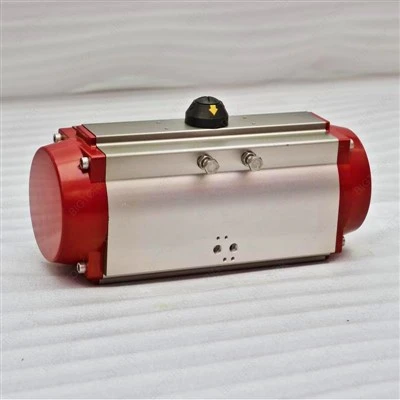
Pneumatic Rotary Actuator At the end of the day, hydraulic actuators aren’t just metal cylinders and pressurized fluid. They’re the quiet workhorses that make modern industry run. Every time you see a building going up, a truck hauling goods, or a harvest getting in, there’s an actuator working behind the scenes. If you’re looking for actuators that can stand up to your specific demands — whether that’s construction, agriculture, marine, or anything else — reach out to our team to discuss your needs. We can help you find the right solution, no matter how big or small your project is.
References
- Hydraulic Actuator Applications and Industry Requirements, Hydraulics & Pneumatics Magazine, 2023
- Agricultural Hydraulic Systems: Durability and Performance Standards, Farm Equipment Manufacturers Association, 2022
- Aerospace Hydraulic Actuator Design and Fail-Safe Protocols, Federal Aviation Administration, 2021
- Marine Hydraulic Corrosion Resistance Specifications, National Marine Manufacturers Association, 2022
- Waste Management Equipment Hydraulic Efficiency Report, Waste Advantage Magazine, 2023
Zhejiang Bigtork Valve Automation Co., Ltd.
Zhejiang Bigtork Valve Automation Co., Ltd. is one of the leading hydraulic actuator manufacturers and suppliers in China. We warmly welcome you to buy customized hydraulic actuator at competitive price from our factory. Contact us for more details.
Address: 98 Yuanqu Avenue,Anfeng Industrial Zone,Oubei,Yongjia,Zhejiang,China.
E-mail: sales@bigtork.com
WebSite: https://www.bigtork.com/
