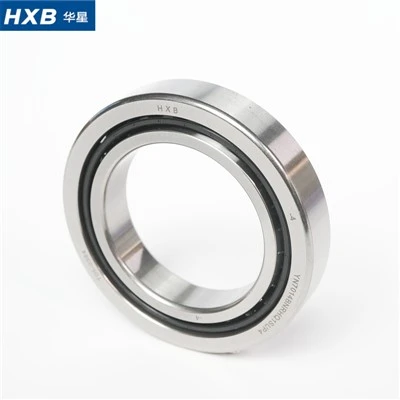
Hey there, if you’re here, chances are you’ve got a servo motor that’s been acting up lately—maybe it’s making weird noises, not holding position like it used to, or just feeling less snappy than it did when you first installed it. And if you’re starting to wonder if the bearings in that servo motor are worn out, you’re in the right place. As a servo motor bearings supplier, I’ve talked to hundreds of folks like you—from small machine shop operators to industrial maintenance managers—and one question comes up more than almost any other: “How do I actually tell if my bearings are toast, not just the rest of the motor?” Let’s break this down, no super jargon-heavy stuff, just real things you can check right now without pulling the whole motor apart first. Servo Motor Bearings
First off, let’s get one thing straight: servo motor bearings don’t just “die” out of the blue. They give warning signs, but a lot of people mix those signs up with other issues. Like, if your servo is vibrating, that could be a loose belt or a bad encoder, right? But if that vibration is coming from the bearings, it’s a specific kind of vibration—usually at a certain speed, not just all the time. Let’s start with the easiest checks first, the ones you can do with the motor still in place, no disassembly needed.
The first big red flag is abnormal noise. I don’t mean the quiet hum a good servo makes when it’s running—every motor has that low, smooth whine. I’m talking about stuff you wouldn’t normally hear. Here’s what to listen for: if you hear a high-pitched squeal or grinding when the motor is running under load, that’s a bad sign. If it’s more of a rough, rumbling noise that gets worse when you change the speed or direction, that’s usually bearing wear too. Wait, but what about noise when the motor is off? If you spin the shaft by hand (after turning off power, obviously!) and you hear any clicking, grinding, or if it doesn’t spin freely for at least 2-3 full turns, that’s not normal. Good bearings should spin smooth and quiet—no roughness, no stops. I see this all the time: a customer will say “it sounds weird when it runs,” but when they spin the shaft by hand, they notice the roughness right away, and that’s the bearing.
Next up is vibration. Not the tiny, almost unnoticeable vibration that some servos have—we’re talking about vibration you can feel through the machine’s frame, or if you place your hand on the motor housing, it’s shaking more than usual. A lot of folks mistake this for misalignment between the motor and the load, but if you’ve checked the alignment and it’s still vibrating, that’s often bearings. Worn bearings have tiny imperfections in the raceways (the grooves the balls or rollers run in) so as the shaft spins, it’s not rotating smoothly—it’s bouncing a little, which causes vibration. Another thing: if the vibration gets more intense at specific speeds, like when the motor hits 1000 RPM or 3000 RPM, that’s a classic bearing issue. Misalignment usually causes vibration across a range of speeds, not just a specific one.
Then there’s performance issues. Servo motors are all about precision—they need to hold position accurately, respond quickly to commands, and not drift. If your servo is suddenly drifting off position, or taking longer to settle after moving to a new spot, that could be bearings. Here’s why: when bearings get worn, there’s more play (looseness) in the shaft. So when the motor tries to hold a position, the shaft can shift a tiny bit, making the encoder (which tells the motor where it is) think it’s in a different spot, so the motor works harder to correct it. You might also notice that the motor is running hotter than usual. Overheating is a big one because worn bearings create more friction—more friction means more heat. If you touch the motor housing and it’s hotter than it was a few weeks ago, and you haven’t changed the load or the operating time, check the bearings. Just make sure you don’t burn yourself—let it cool a bit first, or use a non-contact thermometer if you have one.
Wait, what about when you have to take the motor apart? Sometimes the external signs aren’t obvious, so you need to look inside. If you’re comfortable with basic motor disassembly, start by removing the end caps where the bearings are. Before you yank the bearings out, check the surface of the raceways and the balls/rollers. If you see pitting (small indentations), scoring (scratch marks), or discoloration (like brown or blue spots from overheating), that’s definitely wear. Also, check for any metal shavings inside the motor—those come from worn bearings breaking down, and they can damage other parts of the servo too. One mistake I see a lot: people reuse old bearings because they “look fine” on the outside, but the internal wear is already bad. Don’t do that—replace them if you see any of those signs.
Another thing to keep in mind: common causes of bearing wear, so you can prevent it from happening again. Most of the time, it’s not that the bearings were bad quality (though that can be a factor—something I see a lot when customers buy cheap bearings online). More often, it’s improper lubrication, misalignment, or too much load. Servo bearings need the right type and amount of lubrication—too little, and they wear out fast; too much, and it causes overheating. Misalignment between the motor and the connected load puts extra stress on the bearings, making them wear unevenly. And if you’re running the motor at a higher load than it’s rated for, that’s going to take a toll on the bearings too.
Now, let’s talk about how to tell if it’s really the bearings, not something else. A lot of new maintenance guys think any issue is bearings, but let’s rule out other stuff first. If you’re having position drift, check the encoder first—loose encoder cables or a bad encoder can cause that too. If you have vibration, check belt tension (if your servo uses a belt drive) or gear backlash for geared servos. If the motor is hot, check for electrical issues like a short in the windings, which can also cause overheating. But if you’ve checked all those, and the signs line up with what I mentioned earlier, it’s almost certainly bearings.
As a bearings supplier, I’ve worked with a lot of customers who tried to “get by” with worn bearings, and that’s a mistake. Worn bearings don’t just cause annoying performance issues—they can damage the entire servo motor over time. If the bearing pitting and scoring get bad enough, they can scratch the motor shaft, which means you have to replace the shaft too, not just the bearings. That’s way more expensive than replacing the bearings early. So don’t wait until the motor stops working entirely—catch the signs early.
Wait, let’s add a quick real-world example. Last month, a customer called me because their packaging machine’s servo was vibrating so bad, the labels were printing crooked. They checked alignment, replaced the belt, and it still didn’t fix it. When they took off the motor end cap, the bearings had pitting all over the raceways. They’d been putting off replacing the bearings for months, and the vibration had actually started to wear the shaft a little—luckily we were able to supply the right bearings and a new shaft seal, and they were back up and running in a day, instead of having to buy a whole new motor. That’s the kind of thing I’m talking about—catching bearing wear early saves you time and money.
Now, what if you decide it is the bearings that need replacing? Not all bearings are the same, right? Servo motors have specific bearing requirements—they need to be high-precision, have low friction, and handle the speed and load of your motor. That’s why generic bearings won’t cut it—cheap ones will wear out fast, leading to the same issues down the line. As a supplier, I make sure to help customers pick the right bearing for their specific servo motor, so they don’t run into problems again. Whether you have a 1HP servo for a small machine or a 50HP industrial servo for a heavy-duty application, there’s a bearing made to handle it.
Let me recap the key signs to look for, so you have a cheat sheet:
- Unusual noise: high-pitched squeal, grinding, rumbling that gets worse under load or at specific speeds; rough spin when the shaft is turned by hand.
- Excessive vibration: felt through the machine or motor housing, worse at specific speeds, not fixed by alignment checks.
- Performance issues: position drift, slow settling, longer response times, motor running hotter than normal.
- Internal signs (when disassembled): pitting, scoring, discoloration on bearing raceways/balls, metal shavings inside the motor.
If you’re seeing any of these, don’t ignore them. Worn servo motor bearings don’t fix themselves, and the longer you wait, the more damage they’ll cause to your motor and your production. I know you’ve got a business to run, so downtime is expensive. Replacing bearings is a quick, cost-effective fix when caught early—way cheaper than replacing a whole servo or dealing with unplanned production stops.
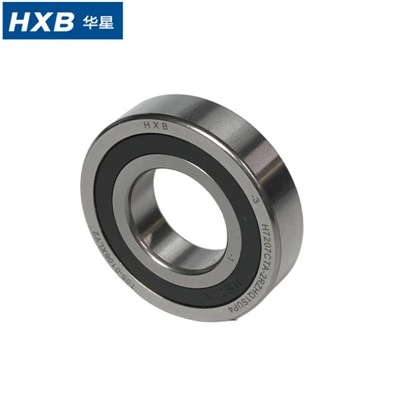
If you need help figuring out exactly what bearings your servo motor needs, or you’re not sure if the issue is actually bearing wear, feel free to reach out to us for a consultation. We can help you diagnose the problem, get the right high-quality bearings, and even walk you through the replacement process if you need it. No hoops to jump through, no sales pitches—just real advice for servo motor owners.
Servo Motor Bearings References:
- Bosch Rexroth. Servo Motor Maintenance Best Practices. Bosch Rexroth AG, 2022.
- SKF. Bearing Failure Analysis Guide. SKF Group, 2021.
- Fanuc. Industrial Servo Motor Troubleshooting Manual. Fanuc Corporation, 2020.
- Motion Industries. Guide to Servo Motor Bearing Replacement. Motion Industries Inc., 2023.
Hangzhou Huaxing Kechuang Holding Group Co., Ltd.
Hangzhou Huaxing Kechuang Holding Group Co., Ltd. is one of the leading manufacturers and suppliers of servo motor bearings in China, featured by quality products and good service. Please rest assured to buy bulk durable servo motor bearings from our factory. Welcome to view our website for more information.
Address: No.553 Yingbin Road, Linping, Hangzhou, 311100, China
E-mail: wmb@huaxingbearing.com
WebSite: https://www.hxbbearing.com/
