If you’ve ever wandered through a designer showroom or attended a high-end home showcase, you’d expect to see reclaimed oak, hand-scraped hardwood, or luxe natural stone floors underfoot. For years, those materials have been the gold standard for premium residential spaces, synonymous with elegance, durability, and that warm, timeless vibe that turns a house into a home. But as a SPC flooring supplier who’s worked directly with interior designers, architects, and even everyday homeowners building their forever spaces, I’ve heard the same question over and over: Is rigid core SPC flooring actually a fit for high-end homes? SPC Flooring
For a long time, SPC (or stone-plastic composite) got a bad rap as a budget alternative—something you’d see in a rental property or a basement rec room, not in a master bedroom or a formal dining room. That myth has stuck around, largely because the early versions of SPC on the market were thin, wobbly, and had that harsh, synthetic look that made it obvious it wasn’t “real” wood. But if you’ve seen the latest iteration of premium SPC flooring, the kind we design and supply to top residential projects across the country, you might be surprised by how much it delivers on the luxury front—without the headaches that come with traditional high-end flooring materials. Let’s break down the details, the science, and the real-world use cases that prove SPC belongs in high-end homes.
First, let’s get one critical fact straight: modern SPC is not your grandfather’s vinyl plank. The core of SPC is a mix of natural limestone powder and polyvinyl chloride (PVC) resin, compressed under extreme pressure to create a rigid, waterproof core. That might sound simple on paper, but the engineering that goes into premium SPC is what makes it a contender for high-end spaces. Unlike traditional vinyl, which relies on foam or fiber cores that can compress over time, rigid SPC core has a static load rating that’s actually higher than solid hardwood. What does that mean for homeowners? It can handle the weight of heavy furniture—think a full sectional sofa, a grand piano, or a built-in bookshelf packed with encyclopedias—without sagging or developing permanent indentations. For high-end homes that often feature custom-built millwork and floor-to-ceiling cabinetry, that consistency is a huge win.
But let’s talk about aesthetics, because that’s what sells luxury flooring. Early SPC planks had that flat, digital-looking wood grain that screamed “factory-made.” Today, premium SPC manufacturers (including our line) use advanced digital printing and embossing technologies that replicate the nuances of natural wood, stone, and even reclaimed materials with incredible accuracy. We work with designers to source wood species that are in high demand for high-end projects—like white oak, walnut, and hickory—and we print and emboss each plank to match the knots, grain variations, and even the subtle imperfections that make natural materials feel authentic. Unlike real hardwood, which has to be sanded and stained on-site (a process that can take weeks and leave rooms unlivable for days), SPC planks come pre-finished with multiple layers of UV-cured urethane. That finish isn’t just pretty—it’s scratch-resistant, stain-resistant, and fade-resistant, which is a game-changer for high-traffic areas, kids, and pets.
Wait, but what about that “cool” feel that luxury homeowners love from natural materials? Traditional hardwood and natural stone have thermal conductivity that makes them feel warm under bare feet in the winter and cool in the summer, but SPC has gotten a bad rap for feeling cold. That’s another outdated myth. The rigid core of premium SPC can be paired with underlayment that has thermal insulation properties, and when installed over a properly prepared subfloor (which we always guide our clients on), it closely matches the thermal feel of solid hardwood. In fact, we’ve had homeowners tell us that they can barely tell the difference underfoot between our premium SPC and the white oak they almost went with—except our SPC stays consistent in temperature year-round, whereas hardwood can feel icy in a drafty old home.
Durability is where SPC really shines for high-end homes, especially when you consider the long-term costs. Let’s do a quick comparison: solid hardwood, the go-to for traditional luxury, has a lifespan of 25 to 100 years if it’s properly maintained, but it’s vulnerable to scratches, dents, water damage, and fading. If you spill wine on a hardwood floor, you need to clean it immediately and sometimes refinish the spot. If you have a pet that scratches the floor, you might end up sanding the entire room to fix it. If you have a leak in the bathroom or a kitchen, hardwood will warp, cup, or even buckle. SPC, on the other hand, is 100% waterproof. That means you can install it in kitchens, bathrooms, basements, and even laundry rooms—areas where traditional luxury flooring would require special care. The wear layer on premium SPC is 20 mils or thicker (some of our lines have 30 mil wear layers), which is thicker than the wear layer on most mid-range hardwood and even some engineered hardwood. That means those scratches from moving furniture, those pet claws, and even those spilled glasses of red wine won’t leave a permanent mark. We’ve installed SPC in homes where kids run around with soccer cleats on, and the floors look as good as the day we put them in.
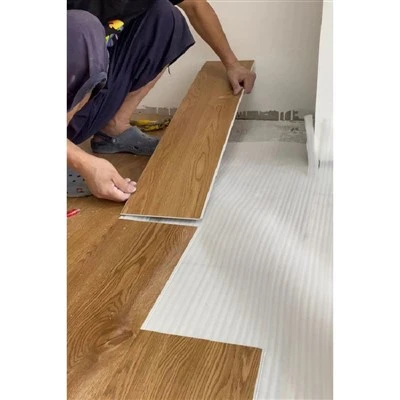
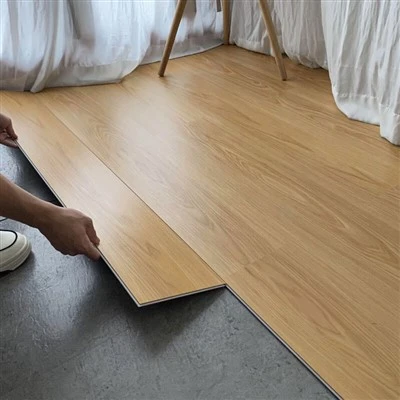
Another key factor for high-end homes is installation. Traditional hardwood installation requires hiring a professional who specializes in hardwood, dealing with acclimation time (letting the wood sit in the home for 3 to 7 days to adjust to humidity and temperature), and sanding and finishing on-site, which creates dust and mess. Engineered hardwood is a bit easier to install, but it still has to acclimate, and it’s not suitable for glue-down installations in all climates. SPC planks are click-lock (or glue-down, for those who prefer it) and can be installed immediately—no acclimation needed, no sanding, no messy finishing. That cuts installation time by 50% or more, which is a huge plus for homeowners building or renovating on a tight timeline. And because SPC is rigid, it’s a great option for uneven subfloors, which is common in older homes where high-end renovations often take place. We’ve installed SPC in 100-year-old historic homes with uneven floor joists, and it lays flat without the squeaks or gaps that can come with hardwood.
But let’s address the elephant in the room: price. For a long time, SPC was cheaper than high-end hardwood or stone, but premium SPC that’s designed for residential luxury is priced competitively with mid-range engineered hardwood. When you factor in the long-term savings—no refinishing every 10 to 15 years, no need for special cleaning products, no replacement of damaged planks as often—SPC ends up being a cost-effective choice. A lot of high-end homeowners don’t just look at the upfront cost; they look at the total cost of ownership over 20 or 30 years. In that regard, SPC stacks up really well. We recently worked with a client who was going to spend $18,000 on solid hardwood for their 1,500-square-foot main level. They switched to our premium SPC line for $12,000, saved $6,000, and got a floor that’s more durable, more water-resistant, and easier to maintain. They used the extra money to upgrade their kitchen appliances, and they haven’t regretted the decision once.
Of course, SPC isn’t for every high-end home. If you’re going for a rustic, hand-scraped look that has that “lived-in” natural patina, solid hardwood is still the way to go. If you want the unique, one-of-a-kind veining of natural marble or travertine, real stone is a better fit. But for most modern high-end homes—especially those with open floor plans, kids, pets, or areas that are prone to moisture—premium SPC is a versatile, high-quality option that checks all the boxes. It looks luxurious, it’s durable, it’s easy to maintain, and it’s a smart investment for the long term.
I’ve been in the flooring industry for over a decade, and I’ve seen the tide turn on SPC. A few years ago, we were only selling SPC to landlords and builders of starter homes. Now, our biggest clients are interior designers who work on $2 million+ custom homes, architects who specify SPC for luxury high-rise condominiums, and homeowners who want a floor that looks good but doesn’t require constant care. The key is choosing a premium SPC brand, not the cheap stuff from big-box stores. When you work with a reputable supplier like us, you get planks that are 100% virgin material (no recycled plastic that can discolor), UV-resistant finishes that won’t fade in direct sunlight, and a wear layer that’s designed to last for decades.
If you’re in the process of building or renovating a high-end home and you’re tired of the trade-offs that come with traditional flooring—hardwood that scratches easily, stone that’s slippery and cold, laminate that looks cheap—it’s worth giving premium SPC a closer look. We offer free samples to homeowners and designers, and we can provide referrals to trusted installers in your area who have experience working with premium SPC. We also offer a 25-year residential warranty on all our SPC flooring, which is a testament to the quality of our product.
High-end living shouldn’t mean sacrificing durability or functionality for aesthetics. With modern premium SPC flooring, you don’t have to choose between a floor that looks luxurious and one that works for your lifestyle. It’s time to stop writing off SPC as a budget material and start seeing it for what it is: a high-performance, stylish option that’s perfect for modern high-end homes.
If you’d like to learn more about our premium SPC flooring line, request samples, or discuss your project, we’re here to help. We work with homeowners, designers, and contractors across the country, and we can tailor our products to fit your specific needs and style. Don’t let outdated myths hold you back from getting the perfect floor for your high-end home. Contact us today to start your flooring journey.
Other Wall Panels References
- National Wood Flooring Association. (2022). Hardwood Flooring Durability and Maintenance Guidelines.
- Floor Covering News. (2023). Premium Rigid Core SPC Flooring Market Growth and Residential Applications Report.
- International Code Council. (2021). Residential Flooring Installation Standards for Waterproof Floor Coverings.
- Architectural Digest. (2022). 5 Luxury Flooring Materials That Are More Durable Than You Think.
- Stone Plastic Composite Flooring Association. (2023). Premium SPC Core Engineering and Performance Specifications.
Shandong Dowell Decorative Material Co., Ltd.
With abundant experience, we are one of the most professional SPC flooring manufacturers and suppliers in China. We warmly welcome you to wholesale premium SPC flooring at competitive price from our factory. If you have any enquiry about cooperation, please feel free to email us.
Address: Room 913, 9th Floor, International Trade Service Center, No. 100 Lingong Road, Comprehensive Bonded Zone, Chaoyang Street, Yihe New District, Linyi City, Shandong PR, China
E-mail: info@dowellpanel.com
WebSite: https://www.dowellspcfloor.com/
