When a client hits me up asking, “Hey, how good is the lightfastness of your custom colored PVC film?” I don’t just spout generic industry jargon – I pull back the curtain on what that actually means, because lightfastness isn’t a one-size-fits-all stat. As a custom PVC film supplier, I’ve spent years refining our formulations, testing every batch, and answering this exact question dozens of times a week. Let’s break this down like we’re chatting over a coffee, no stuffy reports required. Custom Colored PVC Film

First off, let’s define the basics in plain terms: lightfastness is how well a colored film holds its color when exposed to light, specifically UV light from the sun or indoor lighting that’s strong enough to cause fading. For PVC film, which we make custom for all kinds of uses – think signage, automotive interiors, packaging, consumer electronics wraps, even graphic design elements – this isn’t a trivial detail. A sign that fades in six months is a waste of your time and money; a car wrap that bleaches unevenly kills your brand’s look; a packaging film that loses its vivid color on store shelves hurts product visibility. So yeah, it matters.
Now, here’s the thing: lightfastness in our custom colored PVC film isn’t a fixed number. It depends on three big variables: the pigment we use, the additive package we mix in, and the end application the film is going into. Let’s start with pigments, because that’s the core of the color. I’ve worked with every type of pigment out there over the years, and not all are created equal for light resistance. For example, organic pigments – which give that super bright, punchy reds, blues, and yellows you see on most custom signage – tend to fade faster when exposed to UV light. They’re cheaper, sure, but if you’re putting a sign outside that’s going to sit in direct sun for a year, organic pigments might not cut it. That’s why for outdoor applications, we push hard for inorganic pigments – the ones made from minerals like titanium dioxide, iron oxide, or chromium. These are way more light-resistant. A bright red from an inorganic iron oxide pigment? That’s going to hold its color for 5+ years outdoors before you see even a hint of fading. We’ve tested some of these with our third-party lab, and they rank around 7-8 on the Blue Wool Scale, which is the standard for lightfastness testing. Wait, what’s the Blue Wool Scale? Don’t overcomplicate it: it runs from 1 (worst, fades fast) to 8 (best, almost no fade). Most indoor products might land at 4-5, which is fine for things like wall graphics that only see office lighting, but outdoor needs that 7+ to stay viable.
Next up, the additives we add. PVC is inherently a pretty stable material, but without the right stabilizers and UV inhibitors, even the best pigment will fade over time. When we make custom colored PVC film, we don’t just dump pigment into the resin and go – we formulate for the end use. If a client tells us, “This film is going on a boat dashboard that’s in direct sun all day,” we bump up the UV inhibitors in the mix. Those inhibitors act like a sunscreen for the film, absorbing the harmful UV rays before they can break down the pigment molecules. We also add heat stabilizers, because if the film is going into a hot environment (like a car interior that can hit 140°F in summer), heat plus light is a double whammy. I’ve had a client come to me a few years back with a bad experience: they bought cheap custom PVC film from another supplier, used it for food truck wraps, and within three months, the sun-exposed sides were faded to a dull version of the original color. Why? That supplier skipped the UV inhibitors to cut costs, and used low-quality organic pigments. We redesigned their formulation, upped the lightfastness to a 7 on the Blue Wool Scale, added extra UV inhibitors, and two years later, their wraps still look brand new. That’s the stuff that matters, not just slapping color onto PVC.
Then, we have to talk about the testing we do here at our facility. As a supplier, I can’t just guess at lightfastness – we send every batch we produce to an independent lab for xenon arc testing, which mimics years of real-world light exposure in a matter of days. A typical test for outdoor film runs for 1000 hours, which is roughly equivalent to 5 years of direct sun exposure in a sunny climate. For indoor film, we do shorter tests, like 500 hours, because indoor lighting is way less intense – it’s mostly visible light, not UV, so fading happens slower. The lab gives us a Delta E value, which measures color change; a Delta E under 2 is barely noticeable to the human eye, which is what we aim for in all our custom products. If a test comes back with a Delta E over 3, we tweak the pigment mix or add more inhibitors, no exceptions. I’ve turned down a few last-minute orders from clients who wanted a neon yellow (super high fade risk) with a Delta E under 2, because it’s just not possible with standard pigments – we don’t cut corners on that.
Wait, let’s clear up a common myth I hear all the time: people think PVC is bad for lightfastness, but that’s only true if you use the wrong formulation. We’ve had clients come in thinking vinyl (which is often PVC) automatically fades, but our custom colored PVC film for outdoor use has better lightfastness than some acrylic films, which are often more expensive. For example, our automotive-grade film, which we make custom for wraps and interior trims, has a lightfastness rating of 7.5 on the Blue Wool Scale – that’s same as many high-end acrylic films, at half the cost. We worked on that formulation two years ago, spent 6 months testing different pigment and additive mixes, because a major car client came to us saying their previous PVC wrap supplier’s product faded after 18 months. We fixed that, and now that car brand uses our film for all their interior parts.
Of course, indoor applications are a whole different story. If you’re making custom PVC film for wall decals, product packaging that sits on store shelves, or clothing tags, lightfastness doesn’t need to be as high. Indoor lighting has way less UV, so even lower-grade pigments (organic, around Blue Wool 4-5) work perfectly. That’s why we always ask clients detailed questions about where their film will be used – that’s the key to getting the right lightfastness for their needs, not just cranking out a film with the highest number possible. No one needs a 8-rated lightfastness for a wedding banner that’s only going up for a month; that’s a waste of money. We’re here to match the lightfastness to the use case, not upsell something unnecessary.
Now, let’s get into the factors that affect real-world performance, because lab testing is great, but it’s not the whole picture. Even the best formulated film will fade faster if it’s exposed to extreme conditions. For example, a film used near the beach – salt air is corrosive, and salt can actually accelerate UV damage, so we add extra corrosion inhibitors to those batches. A film used in a cold climate? Winter sun is still strong, and thermal expansion and contraction can make the pigment break down faster, so we adjust our stabilizers for that. I had a client in Alaska who thought our standard outdoor film would work for ski lodge signage, but after a year, the sun-facing side had faded more than expected. We went back, adjusted the formulation for lower temperatures, added more UV inhibitors that work in cold environments, and now their replacement signs are holding up way better. That’s the kind of custom work we do – it’s not just “make red PVC film” it’s “make red PVC film that works for your exact location and use”.
Another thing: film thickness. Thicker film usually has better lightfastness, because there’s more pigment and resin to absorb light, right? That makes sense. We offer custom thicknesses from 100 microns up to 1000 microns, so if you need a thicker film for outdoor signage, that’s going to have better light retention than a thin 100 micron film. We always advise clients to go as thick as their application requires, because that’s a simple way to boost lightfastness without changing the pigment mix.
Now, let’s talk about how we back this up. All our custom colored PVC film comes with a lightfastness certificate from the lab, so you don’t have to take our word for it. If a client has a project that requires specific certifications – like for food packaging, or automotive, or outdoor advertising standards – we can adjust the formulation to meet those. For example, our food-grade custom PVC film has lightfastness ratings of 6-7, and meets FDA standards, so it’s safe for packaging that will sit on store shelves. We’ve even had a client in the food industry who switched from paper packaging to our PVC film because their paper boxes faded on the shelf in 2 weeks, and our film held its color for 6 months. That’s a big win for them, because their products stood out longer for shoppers.
Wait, I should mention the difference between our custom film and off-the-shelf PVC film. A lot of suppliers make pre-colored PVC film in standard sizes, but when you order custom, we can tailor the pigment and additives exactly to your needs. That means if you need a custom color (say, a specific Pantone shade for your brand) that also needs to be outdoor-grade, we can adjust the inorganic pigment mix to match that Pantone, instead of using an organic pigment that’s close but fades fast. I’ve had clients who needed a brand-specific green that was 50% organic pigment and 50% inorganic to get the exact shade while still being outdoor-resistant – that’s the kind of custom work that makes a big difference for lightfastness.
Now, let’s address the question I get most often: “How long will your custom colored PVC film last before fading?” The short answer: it depends, but here’s a rough guide. For outdoor applications, our top-tier outdoor film (Blue Wool 7-7.5) will last 7-10 years before showing noticeable fading (Delta E <2). For mid-tier outdoor film (Blue Wool 6), that’s 3-5 years. For indoor applications, film will hold its color for 10+ years, because indoor UV is almost non-existent. We have a client who used our indoor film for a hotel’s wall graphics 8 years ago, and they just redid them because they wanted a new design, not because the old ones faded. That’s the real-world proof we rely on, not just lab tests.
I also want to be transparent about what can cause fading that’s not the film itself. A lot of clients blame the film when it’s the adhesive they’re using, or the surface they’re applying it to. If you’re applying a film to a rough surface, air bubbles can get trapped under it, which can cause uneven fading. Or if you use a low-quality adhesive that breaks down in sunlight, the film can start to peel, which makes it look like it’s fading. We always offer guidance on the best adhesives for each application, so our clients don’t run into those issues. That’s part of being a custom supplier, not just selling film – we help you with the whole process.
So, what’s the takeaway here? The lightfastness of custom colored PVC film isn’t a static number – it’s a custom product, shaped by your needs, location, and application. As a supplier, we don’t just pick a pigment and send you film; we work with you to make sure the lightfastness matches how you’re using it, so you get the longest life and best color retention for your money. No one wants to reprint signs or rewrap a car every year because of fading, and that’s what we’re here to avoid.
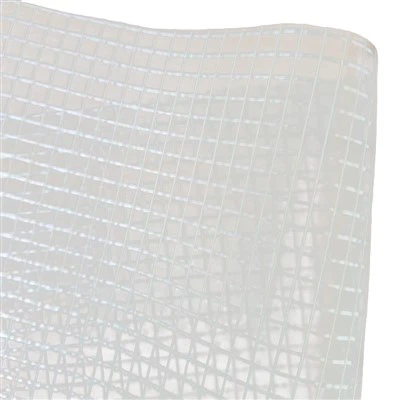
If you’re working on a project where color retention matters – outdoor signage, vehicle wraps, product packaging, interior displays – and you want a custom PVC film that’s formulated for the right lightfastness, hit us up to chat through your needs. We can walk you through the different options, share our lab test data, and even send sample strips so you can test lightfastness yourself (leave them in direct sun for a month, you’ll see the difference). We’re not just here to sell you film; we’re here to make sure your color stays vibrant, exactly where you need it, for as long as you need it.
Antistatic PVC References
- Society of Dyers and Colourists. (2018). Blue Wool Scale for Lightfastness Testing.
- ASTM International. (2020). Standard Practice for Xenon-Arc Exposure of Plastics Intended for Outdoor Applications (ASTM D4459).
- PVC Technology Alliance. (2021). Light Stability of Colored PVC Compounds for Architectural and Automotive Applications.
Nantong Dahe Composite New Material Technology Co., Ltd.
Address: South Side of Pinghai Highway, Pinghe Village, Dongshe Town, Tongzhou District, Nantong City, Jiangsu Province, China
E-mail: nantongdahe@outlook.com
WebSite: https://www.cndahetech.com/
