Hey there! I’m a supplier of wood wool panels, and today I wanna chat about the environmental impact of these panels during production. It’s a topic that’s been on my mind a lot lately, especially as more and more customers are asking about the eco – friendliness of the products they buy. Wood Wool Panels
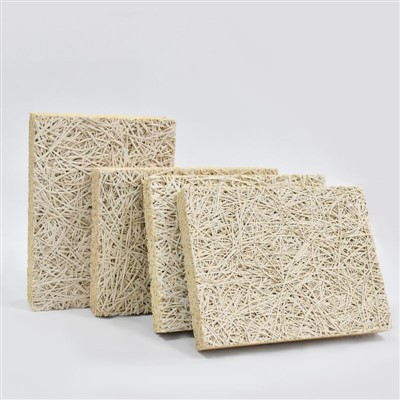
Let’s start with the raw material. Wood wool panels are, as the name suggests, made from wood wool. The wood used for this is typically sourced from sustainably managed forests. That’s a big plus for the environment. Sustainable forestry means that trees are harvested in a way that ensures the long – term health and productivity of the forest. Loggers follow strict guidelines to make sure they’re not over – harvesting. They plant new trees to replace the ones they cut down, which helps maintain the forest ecosystem. This way, the carbon sequestration function of the forest is kept intact. Trees absorb carbon dioxide from the atmosphere, which is a major greenhouse gas contributing to global warming. So, by using wood from sustainable forests, we’re actually supporting the fight against climate change.
But it’s not just about where the wood comes from; it’s also about how it’s processed into wood wool. The process of turning wood into wood wool involves mechanical cutting. Unlike some other manufacturing processes that rely heavily on chemicals, the production of wood wool is relatively chemical – free. There are no harsh solvents or toxic substances involved in making the wood wool itself. This means that there’s less risk of chemical pollution in the environment. For example, in a factory making wood wool, you don’t have to worry about chemical spills contaminating water sources or harming local wildlife. It’s a pretty clean – cut (pun intended!) manufacturing process in that regard.
Once the wood wool is produced, it needs to be formed into panels. Usually, a binder is used to hold the wood wool together. Some of the binders we use are made from natural materials like starch. Starch – based binders are biodegradable, which means they’ll break down over time in the environment without leaving harmful residues. This is a stark contrast to some synthetic binders that can take hundreds of years to decompose and may release toxic chemicals as they break down. Using natural binders not only reduces the environmental impact during the production of wood wool panels but also when the panels reach the end of their life cycle.
Energy consumption is another important factor when it comes to the environmental impact of production. In our factory, we’ve made a conscious effort to reduce energy use. We’ve installed energy – efficient machinery. For example, our cutting machines are designed to use the least amount of electricity possible while still maintaining high – quality output. We’ve also invested in solar panels on the factory roof. These solar panels generate a significant portion of the electricity we need for production. This switch to renewable energy has cut down our reliance on fossil fuels, which are a major source of air pollution and greenhouse gas emissions. By reducing our carbon footprint during production, we’re contributing to a cleaner and healthier planet.
Transportation of the raw materials and the finished wood wool panels is also part of the picture. To minimize the environmental impact of transportation, we source our wood from local forests as much as possible. This reduces the distance the wood has to travel to our factory, which in turn cuts down on fuel consumption and emissions from trucks. Similarly, when we ship our finished panels to customers, we try to optimize the shipping routes and use more fuel – efficient vehicles. For example, we sometimes use trains instead of trucks for long – distance transportation because trains are generally more fuel – efficient per ton of cargo.
However, it’s not all sunshine and rainbows. There are still some environmental challenges associated with the production of wood wool panels. One of the main issues is waste management. During the cutting process, there’s some waste generated in the form of small wood chips and sawdust. Although wood is a natural material, if not managed properly, this waste can cause problems. In the past, we used to send this waste to landfills, but that’s not the most eco – friendly option. Landfills produce methane, a potent greenhouse gas, as organic materials decompose. So, we’ve started looking for better solutions. We’re now exploring the possibility of using the wood waste as a biomass fuel. Biomass is a renewable energy source, and by using our wood waste in this way, we can turn it from a problem into an opportunity to generate clean energy.
Another challenge is the water used in the production process. Although the amount of water used is relatively small compared to some other industries, it still needs to be managed carefully. We’re currently implementing a water recycling system in our factory. This system will collect, treat, and reuse the water used in the production process, reducing our overall water consumption and minimizing the amount of wastewater that’s released into the environment.
Even with these challenges, I firmly believe that wood wool panels are a sustainable and environmentally friendly building material. The environmental benefits far outweigh the drawbacks, and we’re constantly looking for ways to improve our production processes to be even more eco – friendly.
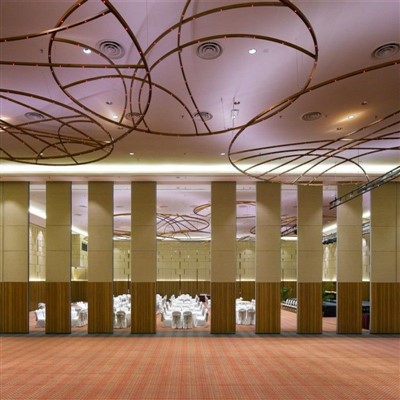
If you’re in the market for wood wool panels, I’d love to have a chat with you. We’ve got a wide range of high – quality wood wool panels that can be used for various applications, from insulation to acoustic panels. Our products are not only good for the environment but also offer excellent performance. Whether you’re a builder, an architect, or someone looking to do a DIY project at home, our wood wool panels could be just what you need. So, don’t hesitate to reach out and start a conversation about your wood wool panel needs. We’re here to help you make the best choice for your project while also being kind to our planet.
Wooden Acoustic Panels References
- Forest Stewardship Council (FSC) reports on sustainable forestry
- Research papers on energy – efficient manufacturing processes
- Studies on the environmental impact of different binders in wood – based products
Guangzhou MQ Acoustic Materials Co., Ltd.
Guangzhou MQ Acoustic Materials Co., Ltd. is one of the most professional wood wool panels manufacturers and suppliers in China, featured by quality products and low price. Welcome to buy CE approved wood wool panels in stock here and get quotation from our factory. We also accept customized orders.
Address: Room D403, KeZhu Business Building, ZhuJi Road, TianHe District, GuangZhou, China
E-mail: Lizzy@mq-acoustics.com
WebSite: https://www.acoustic-projects.com/
