As a seasoned supplier of shaft parts, I’ve encountered numerous inquiries regarding the installation clearances for these crucial components. Installation clearances play a pivotal role in the performance, durability, and overall functionality of shaft parts. In this blog, I’ll delve into the significance of installation clearances, the factors influencing them, and how to determine the appropriate clearances for your specific applications. Shaft Parts
Understanding Installation Clearances
Installation clearances refer to the space or gap intentionally left between the shaft and its mating components, such as bearings, bushings, or couplings. These clearances are not arbitrary; they are carefully calculated to accommodate various factors, including thermal expansion, manufacturing tolerances, and the dynamic forces acting on the shaft during operation.
The primary purpose of installation clearances is to ensure smooth and efficient operation of the shaft system. Without adequate clearances, the shaft may bind or seize, leading to excessive wear, overheating, and premature failure of the components. On the other hand, excessive clearances can result in increased vibration, noise, and reduced precision, compromising the performance of the entire system.
Factors Influencing Installation Clearances
Several factors must be considered when determining the appropriate installation clearances for shaft parts. These factors can vary depending on the specific application, operating conditions, and the materials used in the shaft and its mating components. Here are some of the key factors to keep in mind:
1. Material Properties
The material properties of the shaft and its mating components have a significant impact on the required installation clearances. Different materials have different coefficients of thermal expansion, which means they expand and contract at different rates when exposed to temperature changes. For example, metals generally have a higher coefficient of thermal expansion than ceramics or plastics. Therefore, when using shaft parts made of different materials, the clearances must be adjusted to account for these differences and prevent binding or excessive play due to thermal expansion.
2. Operating Temperature
The operating temperature of the shaft system is another crucial factor to consider. As the temperature increases, the shaft and its mating components will expand, reducing the available clearances. In applications where the operating temperature is high, such as in engines or industrial furnaces, larger clearances may be required to accommodate the thermal expansion and prevent overheating and damage to the components. Conversely, in applications where the operating temperature is low, the clearances may need to be reduced to maintain proper alignment and prevent excessive play.
3. Load and Speed
The magnitude and type of load acting on the shaft, as well as the rotational speed, also influence the installation clearances. High loads and speeds can cause increased friction and heat generation, which can lead to thermal expansion and wear of the components. In such cases, larger clearances may be necessary to allow for proper lubrication and cooling, and to prevent the shaft from binding or seizing under heavy loads. Additionally, the type of load (e.g., radial, axial, or a combination of both) can affect the distribution of stress on the shaft and its mating components, and therefore must be taken into account when determining the clearances.
4. Manufacturing Tolerances
Manufacturing tolerances refer to the allowable variations in the dimensions and shape of the shaft and its mating components during the manufacturing process. These tolerances can have a significant impact on the installation clearances, as even small variations in the dimensions can result in a tight or loose fit. When specifying the installation clearances, it is essential to consider the manufacturing tolerances of the components and ensure that the clearances are within the acceptable range to achieve the desired performance and reliability.
5. Lubrication
The type and quality of lubrication used in the shaft system can also affect the installation clearances. Proper lubrication helps to reduce friction, wear, and heat generation, and can also improve the efficiency and durability of the components. In applications where a lubricant is used, the clearances must be sufficient to allow for the formation of a lubricating film between the shaft and its mating surfaces. Insufficient clearances can prevent the lubricant from reaching the contact areas, leading to increased friction and wear, while excessive clearances can cause the lubricant to leak out, reducing its effectiveness.
Determining the Appropriate Installation Clearances
Determining the appropriate installation clearances for shaft parts is a complex process that requires a thorough understanding of the factors mentioned above, as well as the specific requirements of the application. Here are some general guidelines to help you determine the clearances:
1. Consult the Manufacturer’s Recommendations
The first step in determining the installation clearances is to consult the manufacturer’s recommendations for the shaft parts and their mating components. Manufacturers typically provide detailed specifications and guidelines regarding the recommended clearances based on the design, materials, and intended use of the components. These recommendations are based on extensive testing and research, and should be followed as closely as possible to ensure optimal performance and reliability.
2. Consider the Application Requirements
In addition to the manufacturer’s recommendations, you must also consider the specific requirements of the application. For example, if the application requires high precision and low vibration, tighter clearances may be necessary to ensure proper alignment and minimize play. On the other hand, if the application involves high loads and speeds, larger clearances may be required to allow for thermal expansion and proper lubrication.
3. Perform Calculations and Analyses
To determine the exact installation clearances, it may be necessary to perform calculations and analyses based on the specific operating conditions and the properties of the materials used. This can involve using mathematical models and computer simulations to predict the thermal expansion, stress distribution, and other factors that can affect the clearances. These calculations and analyses can provide valuable insights and help you make informed decisions regarding the appropriate clearances.
4. Conduct Testing and Validation
Once you have determined the initial installation clearances, it is important to conduct testing and validation to ensure that the clearances are appropriate and that the shaft system operates as expected. This can involve running the system under simulated operating conditions and monitoring the performance, temperature, vibration, and other parameters. Based on the test results, you may need to make adjustments to the clearances to optimize the performance and reliability of the system.
Importance of Proper Installation Clearances
Proper installation clearances are essential for the reliable and efficient operation of shaft parts. Here are some of the key benefits of ensuring the correct clearances:
1. Extended Component Life
By providing adequate clearances, the shaft and its mating components can operate smoothly and without excessive wear or stress. This helps to extend the life of the components and reduce the frequency of replacement, resulting in cost savings and increased productivity.
2. Improved Performance
Proper clearances allow the shaft to rotate freely and without binding, which improves the overall performance of the system. This can result in reduced vibration, noise, and energy consumption, as well as increased precision and accuracy.
3. Enhanced Safety
In applications where the shaft is subject to high loads or speeds, proper clearances are crucial for ensuring the safety of the system and its operators. Insufficient clearances can cause the shaft to seize or break, which can lead to serious accidents and injuries. By providing adequate clearances, the risk of such failures can be minimized.
4. Reduced Maintenance Costs
When the installation clearances are correct, the shaft system requires less maintenance and repair. This is because the components are less likely to wear out or fail prematurely, and the system operates more efficiently. As a result, the overall maintenance costs can be significantly reduced.
Conclusion
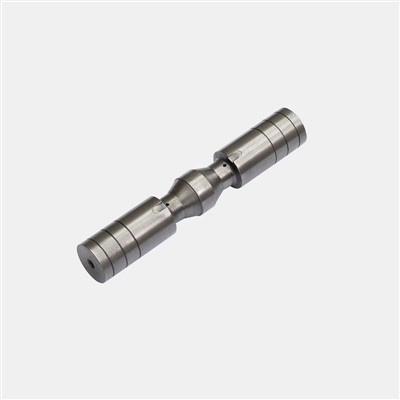
In conclusion, installation clearances are a critical aspect of shaft part installation that can have a significant impact on the performance, durability, and safety of the system. As a shaft parts supplier, I understand the importance of providing our customers with high-quality components and accurate information regarding the installation clearances. By considering the factors influencing the clearances, following the manufacturer’s recommendations, and conducting thorough testing and validation, you can ensure that your shaft system operates smoothly and efficiently for years to come.
Forging Processing If you have any questions or need assistance in selecting the right shaft parts or determining the appropriate installation clearances for your application, please don’t hesitate to contact us. Our team of experts is always ready to help you find the best solutions for your needs.
References
- Machinery’s Handbook, 31st Edition
- Shigley’s Mechanical Engineering Design, 10th Edition
- Design of Machine Elements, 5th Edition
Taizhou Liuhuan Machinery Co., Ltd.
As one of the most professional shaft parts manufacturers and suppliers in China, we’re featured by quality products and good service. Please rest assured to buy customized shaft parts made in China here from our factory. For quotation, contact us now.
Address: Xinyuan Industrial Zone, Damaiyu Street, Yuhuan City, Zhejiang Province,China
E-mail: tzlhmachining@gmail.com
WebSite: https://www.tzlhmachining.com/
