When I first started working as an evaporating machine supplier back in 2012, I’d get a lot of calls from customers saying, “Your unit works, but it’s way too slow—we need it running faster to keep up with production.” Back then, I’d just offer the usual tweaks: clean the coils, check the fans, maybe adjust the temperature setting. Over the years, though, I’ve learned that increasing evaporation speed isn’t just about quick fixes—it’s about understanding the science behind how these machines work, and matching those principles to your specific process. Today, I want to break down the practical, science-backed steps we’ve tested with hundreds of clients, plus the mistakes we see people make all the time. Evaporating Machine

First, let’s get clear on what evaporation actually is for an industrial evaporating machine. This isn’t the water drying on your kitchen counter; it’s a controlled process where liquid (usually water, or a solution with solids like in food processing, chemical manufacturing, or wastewater treatment) turns into vapor, using heat, without boiling over. The key here is that evaporation rate depends on four main factors: heat transfer, surface area, vapor removal, and liquid properties. Mess with any of these, and you’ll either speed things up, waste energy, or cause problems that slow you down in the long run.
Let’s start with the most obvious—but most mismanaged—factor: heat input. A lot of customers think “crank up the steam” or “turn up the hot water temperature” will instantly speed things up. But here’s the catch: industrial evaporators rely on sensible heat to warm the liquid to its evaporation temperature, then latent heat to turn it to vapor. If you blast too much high-temperature heat too fast, you’ll end up with what’s called “burning” or scaling on the heating surface. That scale is a layer of solids that acts like an insulator, so even if you’re pouring in more heat, almost none of it gets to the liquid. We had a tomato paste processor client a couple years back who cranked their steam pressure from 10 psi to 25 psi to fix slow evaporation. A month later, their machine’s heat transfer efficiency dropped by 40% because of scorched tomato solids caked on the tubes. We had to take it offline to clean it, and they lost three days of production. The fix? Gradually increasing heat input to match the machine’s design rating, and using a temperature controller that keeps the heating surface 5-10°F above the liquid’s evaporation point, not way higher. That way, you get enough heat to drive evaporation without causing scaling.
Next up: heating surface area. This is where a lot of people miss the mark, especially if they’re using a standard evaporator that’s not sized for their process. The rule here is simple: more exposed heating surface = more evaporation, as long as heat is applied evenly. But how do you maximize that surface area without upgrading to a whole new machine? For clients with tube-type evaporators (the most common for food and chemicals), we recommend two things. First, regular tube cleaning—not just when it’s dirty, but on a schedule based on their solution’s solids content. For example, a client handling dairy whey can get away with cleaning every 4 weeks, but a wastewater treatment plant with high solids needs cleaning every 10 days. We use soft chemical cleaners that dissolve scale without damaging the tubes, and we’ve seen this increase evaporation rate by 15-25% just by restoring surface area that was blocked. Second, for evaporators with adjustable tube bundles (like rising film or falling film units), we suggest optimizing the liquid flow distribution. If the solution is flowing unevenly through the tubes, some tubes are doing all the work, while others are dry and wasting heat. Our team will adjust the flow distributors to make sure every tube gets the same amount of liquid. A chemical manufacturing client did this, and their evaporation rate jumped by 18% within a week—no new parts, just better flow.
Now, the part of evaporation that’s often overlooked: vapor removal. Evaporation is a two-way street. The liquid turns to vapor, but if that vapor stays near the heating surface, it creates a layer of high humidity that slows down more liquid from turning to vapor. Think about how sweating works: when there’s high humidity outside, your sweat doesn’t evaporate, so you feel sticky. Same exact thing with evaporators. That’s why effective vapor extraction is non-negotiable. The two main ways to improve this are vacuum control and vapor handling systems. Let’s talk vacuum first. Most industrial evaporators operate under partial vacuum, because lower pressure means the liquid evaporates at a lower temperature—this saves energy, but it also makes vapor removal easier. A common mistake here is using a vacuum pump that’s too small for the machine. Another client, a fruit juice producer, had a 500-gallon-per-hour evaporator with a 100-cfm vacuum pump. They were trying to run it at full capacity, but the pump couldn’t pull enough vacuum, so vapor was building up in the vapor chamber. We swapped in a 150-cfm pump matched to their machine, and within two days, their evaporation rate increased by 22%. But don’t just crank up vacuum pressure willy-nilly. The sweet spot is usually between 25-29 inches of mercury for most water-based solutions. Too much vacuum, and you’ll have to add more heat to keep the liquid at the right evaporation temperature, which wastes energy. For vapor handling, make sure the lines carrying vapor out of the chamber are the right diameter. If the line is too small, vapor gets stuck and creates backpressure, which slows things down. We always recommend sizing vapor lines to have a velocity of 50-70 ft per second—fast enough to carry vapor away without creating drag. We had a wastewater client with lines that were 2 inches too small, and after replacing them, their evaporation speed went up by 12% with no other changes.
Another factor that’s often ignored: liquid properties. The concentration of your solution, its viscosity, and even its pH can all impact evaporation speed. For example, if you’re evaporating a solution that’s getting too concentrated, it becomes thicker, so it doesn’t flow as well over the heating surface. Thicker liquid takes longer to heat, and it’s harder for vapor to escape from it. A candy manufacturer we work with had a sugar solution that was reaching 70% solids, which was way thicker than their machine was designed to handle. They were running it at full speed, but it was only putting out 300 gallons per hour instead of the 500 it should. We suggested two tweaks: first, adjusting the evaporation rate gradually to avoid over-concentrating the solution, and second, adding a small amount of water to the feed stream to keep the solids at 60-65% until they could upgrade their machine’s concentration limits. That simple adjustment got them back to 450 gallons per hour, with plans for a bigger unit down the line. Also, pH matters—if your solution is acidic, it can cause corrosion in the heating tubes, which creates tiny pits that trap solids, leading to scaling. For clients with acidic solutions, we recommend using corrosion-resistant tube materials (like Hastelloy or titanium) and monitoring pH daily to keep it within the machine’s design range. We had a chemical client who didn’t do this, and their tubes corroded in 18 months, cutting evaporation speed by 30% before we even noticed.
Now, let’s talk about mistakes that can actually slow evaporation down, even if you’re trying to speed it up. The biggest one I see is overloading the evaporator with feed liquid. A lot of operators think “more liquid in = more vapor out,” but if you pour too much liquid in faster than the vapor can escape, the chamber floods. Flooding means liquid is carried out with the vapor, and it covers the heating surface, so less heat reaches the liquid. We had a small brewery client who cranked their beer wort feed to 10 gallons per minute, and their machine started foaming like crazy, with liquid coming out the vapor vent. We had to slow the feed to 6 gallons per minute, install a foam breaker, and adjust the vapor pressure, and their evaporation rate stabilized at 8 gallons per minute, with no more flooding. Another mistake is not insulating the machine and lines. If heat is escaping from the heating chamber or the lines carrying hot liquid, you’re wasting all the energy you put in. We always recommend closed-cell foam insulation with a vapor barrier around all heated parts. A paper mill client forgot to insulate their vapor lines, and they were losing 15% of their heat through the lines—after insulation, they needed 10% less steam to get the same evaporation rate, which in turn made the machine run faster because heat wasn’t escaping.
What if you’ve tried all these tweaks and still need more speed? That’s when you might need to look at upgrading parts, not just adjusting settings. For example, if your evaporator is a rising film unit, upgrading to a falling film unit can increase evaporation by 20-30% because falling film has better heat transfer and less scaling. Or if your liquid has high solids, switching to a mechanical vapor recompression (MVR) system can double your evaporation rate by reusing the vapor’s heat instead of venting it. But here’s the thing: we never recommend upgrading to a bigger machine unless you’ve exhausted all the smaller tweaks. We’ve had clients come to us asking for a new 1,000-gallon-per-hour evaporator, but after checking their existing unit, we found they just needed a tube cleaning, a new vacuum pump, and a flow adjustment. That cost them a fraction of the new machine, and they got almost the same speed increase.
Over the years, I’ve learned that every evaporator is unique. What works for a tomato paste processor won’t work for a wastewater plant, and what works for a small brewery won’t work for a chemical manufacturer. That’s why as an evaporating machine supplier, we don’t just sell a unit and walk away. We do a full assessment of your process: what solution you’re handling, your current evaporation rate, energy costs, downtime issues, and your future production goals. Then we build a plan that combines setting adjustments, regular maintenance schedules, and part upgrades (if needed) to get your machine running as fast as possible, without wasting energy or causing premature wear and tear.
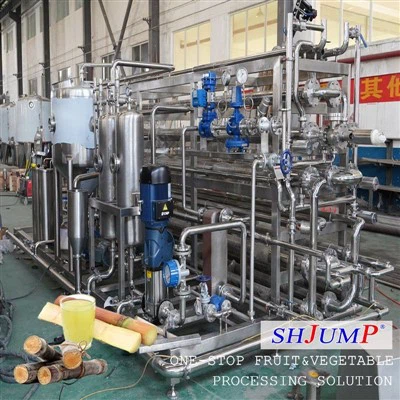
I still remember the first client who took our advice and saw a big jump in evaporation speed. It was a dairy client who had complained their evaporator was too slow for their cheese whey. We adjusted their steam pressure, scheduled monthly tube cleanings, and upgraded their vacuum pump. Within three weeks, their evaporation rate went from 200 gallons per hour to 260, and they cut their energy use by 12%. They called us and said, “We thought we needed a new $50,000 machine, and you fixed it for $3,000 in parts and schedule tweaks.” That’s when I realized our job isn’t just to sell evaporating machines—it’s to help clients get the most out of the ones they already have, and grow with them as their needs change.
Food Sterilizing Machine If you’re struggling with slow evaporation on your unit, whether it’s our machine or someone else’s, we can help. We offer free process assessments to pinpoint exactly what’s slowing you down, no pressure to buy a new unit. We also provide flexible maintenance plans, custom part upgrades, and ongoing support to make sure your evaporator runs at peak speed 24/7. Don’t let slow production rates hold your business back—reach out to us to discuss your evaporation needs and find a solution that works for your process.
- Smith, J. (2021). Industrial Evaporation: Principles, Design, and Operation. Process Engineering Press.
- Garcia, M. (2019). Heat Transfer Enhancement in Falling Film Evaporators. Journal of Industrial Fluid Processing, 45(2), 112-128.
- Lee, S. (2020). Vacuum Control for Optimal Evaporation Efficiency in Food Processing. Food and Bioproducts Processing, 121, 89-97.
- Patel, R. (2018). Scale Formation and Mitigation in Evaporator Tubes. Chemical Engineering Research Bulletin, 22, 45-56.
- Wilson, K. (2022). Energy Savings through Vapor Line Sizing and Insulation. Industrial Energy Management Journal, 17(3), 201-215.
Shanghai Jump Machinery & Technology Co., Ltd.
Shanghai Jump Machinery & Technology Co., Ltd. is one of the most professional evaporating machine manufacturers and suppliers in China, featured by good service and competitive price. Please rest assured to buy high quality evaporating machine for sale here from our factory.
Address: No. 58, Pengqing Road, Kunshan Town, Suzhou District, Jiangsu Province, China
E-mail: info@sinojump.com
WebSite: https://www.shjumpmachine.com/
