Hey there! I’m a supplier in the peanut shelling/groundnut shelling industry, and I’ve always been super curious about where this whole thing started. So, I’ve done a bit of digging, and I’m stoked to share what I’ve found with you. Peanut Shelling / Groundnut Shelling

Let’s start way back in history. Peanuts, or groundnuts as they’re also known, have been around for ages. Archaeological evidence shows that peanuts were first domesticated in South America, specifically in what is now Peru and Brazil, around 7,600 years ago. These early peanuts were a far cry from the ones we’re used to today. They were smaller and had a different flavor profile, but they were a crucial part of the local diet.
The indigenous people in South America were the first ones to figure out how to use peanuts. They ate them roasted, ground them into a paste similar to peanut butter, and even used them in some traditional medicines. But the process of shelling these peanuts was probably a pretty labor – intensive task. They likely just used their hands to crack open the shells and get to the tasty nuts inside.
Fast forward a few thousand years, and peanuts started to spread to other parts of the world. The Portuguese and Spanish explorers played a big role in this. They took peanuts from South America and brought them to Africa and Asia during the 16th and 17th centuries. In Africa, peanuts quickly became a staple crop. They were well – suited to the climate and soil conditions in many parts of the continent, and they provided a great source of protein for the local population.
As the demand for peanuts grew, so did the need for more efficient shelling methods. In Africa, the early shelling techniques were still pretty basic. People would use simple tools like stones to crack the shells. But it was a slow process, and it limited the amount of peanuts that could be processed.
In the United States, peanuts didn’t become a major crop until much later. It was during the Civil War that peanuts started to gain popularity. Soldiers on both sides of the conflict ate peanuts because they were easy to carry and provided a good source of energy. After the war, the demand for peanuts continued to rise.
The real game – changer in the peanut shelling industry came with the invention of mechanical shelling machines. In the late 19th century, inventors started to come up with devices that could shell peanuts much faster than humans. One of the first successful peanut shelling machines was patented in 1893 by George Washington Carver. Carver is well – known for his many contributions to the peanut industry. He developed over 300 different uses for peanuts, from cosmetics to dyes, and his shelling machine was a big step forward.
These early machines worked by using a series of rotating drums and paddles to crack the shells. The peanuts were fed into the machine, and the shells were separated from the nuts through a combination of mechanical force and air currents. While these machines were a vast improvement over hand – shelling, they still had their limitations. They were often large, expensive, and required a lot of maintenance.
As technology advanced, so did peanut shelling machines. Modern shelling machines are much more efficient and precise. They can handle large volumes of peanuts in a short amount of time. Today’s machines use advanced sensors and automation to separate the shells from the nuts with very high accuracy. They can also sort the peanuts by size and quality, which is super important for the market.
Now, as a peanut shelling supplier, I’m really thankful for all these technological advancements. It allows us to provide high – quality shelled peanuts to our customers in a timely manner. We can meet the demands of our clients, whether they’re small – scale local food producers or large – scale international beverage companies.
The growth of the peanut shelling industry has also been driven by the increasing global demand for peanuts and peanut products. Peanut butter is a staple in many households around the world. It’s a great source of protein and healthy fats, and it tastes delicious. Peanuts are also used in the production of snacks like peanut brittle and trail mix. And let’s not forget about peanut oil, which is widely used in cooking because of its high smoke point and mild flavor.
In addition to the food industry, peanuts also have applications in other sectors. In the cosmetics industry, peanut oil is used in many products because of its moisturizing properties. And in the agricultural sector, peanut shells can be used as animal feed or as a source of biomass energy.
As a supplier, I’m constantly looking for ways to improve our processes and offer the best products to our customers. We work hard to ensure that our shelled peanuts are of the highest quality. We source our peanuts from trusted farmers who follow sustainable farming practices. This not only helps the environment but also ensures that we get the best – tasting and most nutritious peanuts.
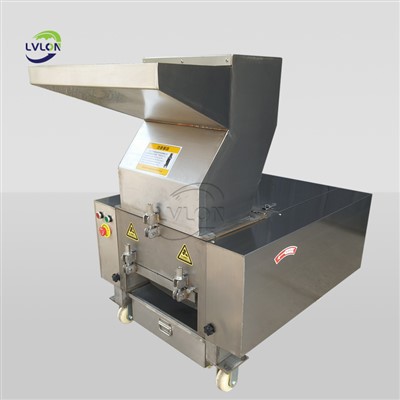
If you’re in the market for shelled peanuts or groundnuts, we’d love to talk to you. Whether you’re a food manufacturer looking for a reliable supplier for your production line or a retailer looking to stock high – quality peanuts on your shelves, we’ve got you covered. We can provide you with different quantities and grades of shelled peanuts to meet your specific needs. So, don’t hesitate to reach out and start a conversation about your peanut shelling needs. We’re here to make sure you get the best products and the best service.
Rice Shellers References
- "The History of Peanuts" by the National Peanut Board.
- "Botany and History of Peanut" in "Peanut Science and Technology" edited by H. E. Pattee and C. T. Young.
- "George Washington Carver and His Contributions to the Peanut Industry" from various historical archives on American agricultural inventions.
Henan Lvlon Industrial Co., Ltd.
Address: Unit 5, 5th Floor, Building 11, No. 18 Dongfeng Road, Jinshui District, Zhengzhou City, Henan Province.
E-mail: lvlonxu@gmail.com
WebSite: https://www.lvlonmachinery.com/
