Hey there! I’m a supplier of nanofiltration membranes, and I know how important it is to store these membranes properly. Nanofiltration membranes are super useful in a bunch of industries, like water treatment, food and beverage, and pharmaceuticals. But if they’re not stored right, their performance can go downhill fast. So, in this blog, I’m gonna share some tips on how to store these membranes like a pro. Nanofiltration Membrane

Why Proper Storage Matters
First off, let’s talk about why it’s such a big deal to store nanofiltration membranes correctly. These membranes are made of delicate materials, and they’re designed to work in specific conditions. If they’re exposed to the wrong environment, they can get damaged. For example, if they dry out, the pores in the membrane can shrink or even close up, which means they won’t be able to filter stuff as well. And if they’re stored in a place that’s too hot or too cold, the membrane material can break down, reducing its lifespan.
Pre – Storage Checks
Before you store your nanofiltration membranes, you gotta do a few checks. First, make sure the membranes are clean. Any dirt, debris, or chemicals left on the membrane can cause problems during storage. You can use a mild cleaning solution recommended by the manufacturer to clean the membranes. Just follow the instructions carefully, and don’t use anything too harsh that could damage the membrane.
Also, check for any signs of damage. Look for tears, holes, or other physical defects. If you find any, it’s best to replace the membrane right away. You don’t want to store a damaged membrane because it’ll only get worse over time.
Storage Conditions
Temperature
Temperature is a crucial factor when it comes to storing nanofiltration membranes. Most manufacturers recommend storing the membranes at a temperature between 5°C and 40°C (41°F and 104°F). This range helps keep the membrane material in good condition. If it’s too cold, the membrane can become brittle and crack. On the other hand, if it’s too hot, the membrane can start to degrade.
You can use a temperature – controlled storage area, like a warehouse with a climate control system. If you don’t have access to such a place, you can at least try to keep the membranes in a room that’s not too hot or cold. Avoid storing them near heaters or in direct sunlight.
Humidity
Humidity also plays a big role. The ideal humidity level for storing nanofiltration membranes is between 30% and 70%. If the humidity is too low, the membrane can dry out. And if it’s too high, there’s a risk of mold and mildew growth, which can damage the membrane.
To control the humidity, you can use a dehumidifier if the air is too humid, or a humidifier if it’s too dry. You can also store the membranes in sealed containers with desiccants to absorb any excess moisture.
Light
Light, especially ultraviolet (UV) light, can be harmful to nanofiltration membranes. UV light can break down the membrane material and reduce its effectiveness. So, it’s best to store the membranes in a dark place. You can use opaque storage containers or keep them in a closet or a storage room where they won’t be exposed to direct light.
Packaging
The way you package the nanofiltration membranes is also important. Most membranes come with their own packaging from the manufacturer, and it’s usually designed to protect the membrane during shipping and storage. If you need to repackage the membranes, make sure to use materials that are compatible with the membrane.
You can use plastic bags or containers that are clean and free of any chemicals that could damage the membrane. Seal the packages tightly to prevent air, moisture, and dust from getting in. You can also label the packages with information like the membrane type, date of storage, and any special instructions.
Storage Duration
It’s important to keep track of how long you’re storing the nanofiltration membranes. Even if you store them under the best conditions, they still have a limited shelf life. Most membranes can be stored for up to 12 months without significant degradation in performance.
If you need to store the membranes for longer than that, it’s a good idea to check on them periodically. You can do some simple tests to make sure the membrane is still working properly. If you notice any signs of degradation, it’s time to replace the membrane.
Reactivation after Storage
When you’re ready to use the nanofiltration membranes after storage, you need to reactivate them. This usually involves flushing the membrane with clean water to remove any preservatives or contaminants that may have accumulated during storage.
Follow the manufacturer’s instructions for reactivation. It may take a few minutes to a few hours, depending on the type of membrane. Once the membrane is reactivated, it should be ready to use in your filtration system.
Conclusion
Storing nanofiltration membranes properly is essential to ensure their performance and longevity. By following these tips on temperature, humidity, light, packaging, and storage duration, you can keep your membranes in top – notch condition.
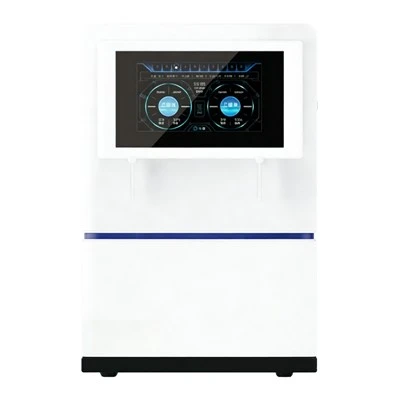
Pure Water System If you’re in the market for high – quality nanofiltration membranes or have any questions about storage or usage, don’t hesitate to reach out. We’re here to help you find the best solutions for your filtration needs. Let’s have a chat and see how we can work together to make your filtration processes more efficient.
References
- Manufacturer’s guidelines for nanofiltration membranes
- Industry best practices for membrane storage and handling
Hangzhou Nanoimp Environmental Technology Co., Ltd.
With abundant experience, we are one of the most professional nanofiltration membrane manufacturers and suppliers in China. Welcome to wholesale high quality nanofiltration membrane in stock here and get pricelist from our factory. We also accept customized orders.
Address: Road 25, Baiyang Street, Qiantang District, Hangzhou City, Zhejiang Province
E-mail: keith.wang@nano-sepmer.com
WebSite: https://www.nanoimp-membrane.com/
