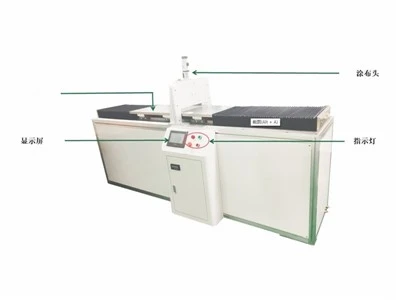
Hey there! I’m a supplier in the coating machine business. Over the years, I’ve seen a bunch of common problems that customers often run into with these machines. In this blog, I’ll share those issues with you, so you know what to look out for and how to deal with them if you’re thinking about getting a coating machine or already have one. Coating Machine
1. Uneven Coating
One of the most frequent problems is uneven coating. You expect a smooth, consistent layer on your product, but sometimes, it just doesn’t happen. There are a few reasons behind this.
First off, improper viscosity of the coating material can be a big culprit. If the coating is too thick, it might clump up in some areas and be too thin in others. On the flip side, if it’s too thin, it won’t cover the surface evenly. For example, when we were working with a customer who was coating plastic sheets, they were using a coating with the wrong viscosity. The result? Patchy coatings that made the final product look unprofessional.
Another reason for uneven coating is issues with the coating head. If the coating head is dirty or has some blockages, it can disrupt the flow of the coating material. This was the case with a client who had a machine that had been running for a long time without proper maintenance. The coating head had accumulated debris, and that led to inconsistent coating patterns.
To fix this problem, you need to make sure you’re using the right viscosity of the coating material. You can test and adjust it according to the manufacturer’s recommendations. Also, regular cleaning and maintenance of the coating head are essential. Make sure to follow the cleaning procedures in the machine manual to keep it in good working condition.
2. Coating Adhesion Problems
Getting the coating to stick properly to the substrate is crucial. But sometimes, the coating just doesn’t adhere well, and that can be a real headache.
Poor surface preparation is often the root cause. If the substrate is dirty, oily, or has some contaminants on it, the coating won’t bond properly. I remember a project where a customer was trying to coat metal parts. They didn’t clean the parts thoroughly before applying the coating, and as a result, the coating started peeling off after a short time.
The type of coating material and substrate compatibility also plays a big role. Some coatings are designed for specific substrates, and using the wrong combination can lead to adhesion issues. For instance, if you try to use a water – based coating on a substrate that is not compatible with water, the coating might not stick.
To solve adhesion problems, start by properly cleaning and preparing the substrate. You can use solvents, abrasives, or other cleaning methods depending on the type of substrate. Also, make sure to choose a coating material that is compatible with the substrate. If you’re not sure, you can always consult with the coating manufacturer or us, as we have experience in matching the right coating to the right substrate.
3. Drying and Curing Issues
Drying and curing are important steps in the coating process, but they can also cause problems.
If the drying or curing time is too short, the coating might not be fully dry or cured. This can lead to a sticky or soft surface, and the coating might not have the desired properties. For example, a customer who was in a hurry to get their products out the door didn’t give the coating enough time to dry. The result was products that were easily scratched and damaged.
On the other hand, if the drying or curing time is too long, it can waste energy and time, and in some cases, it might even damage the coating or the substrate. High – temperature curing for an extended period can cause the coating to crack or the substrate to warp.
The temperature and humidity during the drying and curing process also matter. If the environment is too humid, it can slow down the drying process. In a project we worked on in a very humid area, the coating took much longer to dry than expected, and the quality was affected.
To address these issues, you need to follow the recommended drying and curing times and conditions provided by the coating manufacturer. You can also use temperature and humidity control systems in your coating area to ensure a stable environment for the drying and curing process.
4. Machine Breakdowns
Like any other piece of machinery, coating machines can break down. And when they do, it can disrupt your production schedule.
One common cause of breakdowns is lack of regular maintenance. If you don’t lubricate the moving parts, clean the filters, or check the electrical components regularly, the machine is more likely to fail. For example, a customer’s machine had a motor failure because they hadn’t checked the motor’s lubrication and cooling system.
Another reason for breakdowns is overloading the machine. If you try to run the machine at a higher capacity than it’s designed for, it can put too much stress on the components and lead to failures. A client once tried to coat more products per hour than the machine was rated for, and it ended up with a damaged conveyor belt.
To prevent machine breakdowns, you need to have a regular maintenance schedule. This includes tasks like lubrication, filter replacement, and electrical system checks. Also, make sure to operate the machine within its recommended capacity.
5. Contamination
Contamination can be a real problem in the coating process. It can affect the quality of the coating and the final product.
There are different sources of contamination. Dust and debris in the coating area can get into the coating material and cause defects in the coating. For example, if your coating area is not clean and there is a lot of dust in the air, it can land on the wet coating and create bumps or spots.
Cross – contamination can also occur if you use the same equipment for different types of coatings without proper cleaning. A customer who was using the same coating head for different colors of paint ended up with a product that had color mixing issues.
To prevent contamination, keep your coating area clean. You can use air filters, clean the floors regularly, and keep the area free of debris. Also, make sure to clean your equipment thoroughly when switching between different coatings.
6. Operator Error
Sometimes, the problems with coating machines are due to operator error.
If the operators are not properly trained, they might not know how to set up the machine correctly. For example, they might set the wrong coating speed or pressure, which can lead to uneven coating or other issues. A new operator in one of our customer’s factories set the coating speed too high, and it resulted in a very thin and uneven coating.
Lack of attention during the operation can also cause problems. If the operator doesn’t monitor the coating process closely, they might miss issues like a blockage in the coating head or a change in the coating material’s viscosity.
To reduce operator error, make sure your operators are well – trained. Provide them with comprehensive training on how to operate the machine, set the parameters, and troubleshoot common issues. Also, encourage them to be vigilant during the operation.
In conclusion, these are some of the common problems that you might face with coating machines. But don’t let these issues scare you away from getting a coating machine. With proper knowledge, maintenance, and operation, you can avoid or solve these problems.
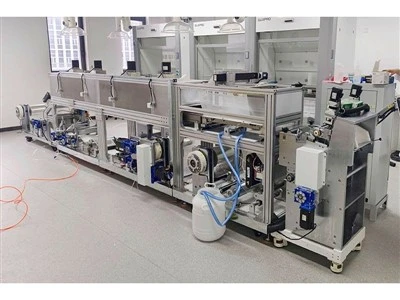
If you’re in the market for a coating machine or need help with your existing one, don’t hesitate to reach out. We’re here to offer you high – quality coating machines and professional advice. Let’s have a chat and see how we can work together to meet your coating needs.
Laboratory Equipment References
- Coating Machine Operation Manuals
- Industry Reports on Coating Processes
- Personal Experience from Working with Coating Machine Customers
Dongguan Innate Intelligent Technology Co., Ltd.
With abundant experience, we are one of the most professional coating machine manufacturers in China. With a professional production team, we are able to meet the needs of the majority of our customers. Please feel free to buy advanced coating machine made in China here from our factory. Customized orders are welcome.
Address: Room 201, Building 4, No. 92, Fenghuang Road, Dalingshan Town, Dongguan City, Guangdong Province
E-mail: 13316631159@163.com
WebSite: https://www.getinnater.com/
