As a supplier of quilted fabric, I’ve encountered numerous queries from customers regarding the best thread types for sewing quilted fabric. Quilting is a beautiful and intricate art form that combines comfort, functionality, and aesthetic appeal. The choice of thread plays a crucial role in determining the quality, durability, and overall look of the finished quilt. In this blog post, I’ll share my insights on the best thread types for sewing quilted fabric, based on my years of experience in the industry. Quilted Fabric

Understanding the Basics of Quilting Thread
Before delving into the specific thread types, it’s essential to understand the basic requirements of quilting thread. Quilting involves stitching multiple layers of fabric together, typically a top layer, a batting layer, and a backing layer. The thread used in quilting should be strong enough to hold these layers together without breaking or fraying. It should also be flexible enough to allow for the natural movement of the fabric and batting, preventing the quilt from becoming stiff or uncomfortable.
In addition to strength and flexibility, the thread should also be visually appealing. The thread color can enhance the overall design of the quilt, adding depth and dimension. It’s important to choose a thread color that complements the fabric and design of the quilt, whether you’re going for a subtle, monochromatic look or a bold, contrasting statement.
Types of Thread for Quilting
There are several types of thread available for quilting, each with its own unique properties and characteristics. Here are some of the most popular thread types used in quilting:
Cotton Thread
Cotton thread is one of the most commonly used threads for quilting. It’s made from natural cotton fibers, which make it soft, breathable, and comfortable to work with. Cotton thread is also available in a wide range of colors, making it easy to find a shade that matches your quilt fabric.
One of the main advantages of cotton thread is its strength. It can withstand the repeated stitching and tension involved in quilting without breaking or fraying. Cotton thread is also relatively inexpensive, making it a cost-effective choice for quilters on a budget.
However, cotton thread does have some drawbacks. It’s not as strong as some other types of thread, such as polyester or nylon, and it may not be suitable for heavy-duty quilting projects. Cotton thread also tends to absorb moisture, which can cause it to shrink or fade over time.
Polyester Thread
Polyester thread is another popular choice for quilting. It’s made from synthetic polyester fibers, which make it strong, durable, and resistant to moisture and fading. Polyester thread is also available in a wide range of colors, making it easy to find a shade that matches your quilt fabric.
One of the main advantages of polyester thread is its strength. It can withstand the repeated stitching and tension involved in quilting without breaking or fraying, making it ideal for heavy-duty quilting projects. Polyester thread is also resistant to moisture and fading, which means it will maintain its color and integrity over time.
However, polyester thread does have some drawbacks. It’s not as soft or breathable as cotton thread, which can make it uncomfortable to work with for extended periods of time. Polyester thread also tends to have a shiny finish, which may not be suitable for all quilt designs.
Nylon Thread
Nylon thread is a strong and durable thread that’s commonly used in industrial applications. It’s made from synthetic nylon fibers, which make it resistant to abrasion, chemicals, and uv light. Nylon thread is also available in a wide range of colors, making it easy to find a shade that matches your quilt fabric.
One of the main advantages of nylon thread is its strength. It can withstand the repeated stitching and tension involved in quilting without breaking or fraying, making it ideal for heavy-duty quilting projects. Nylon thread is also resistant to abrasion, chemicals, and uv light, which means it will maintain its color and integrity over time.
However, nylon thread does have some drawbacks. It’s not as soft or breathable as cotton thread, which can make it uncomfortable to work with for extended periods of time. Nylon thread also tends to have a shiny finish, which may not be suitable for all quilt designs.
Metallic Thread
Metallic thread is a decorative thread that’s commonly used in quilting to add a touch of sparkle and glamour to the finished quilt. It’s made from thin strips of metal or metallic-coated fibers, which give it a shiny, reflective finish. Metallic thread is available in a wide range of colors, including gold, silver, copper, and bronze.
One of the main advantages of metallic thread is its visual appeal. It can add a touch of sparkle and glamour to the finished quilt, making it stand out from the crowd. Metallic thread is also available in a wide range of colors, making it easy to find a shade that matches your quilt fabric.
However, metallic thread does have some drawbacks. It’s not as strong as some other types of thread, such as cotton or polyester, and it may break or fray easily. Metallic thread also tends to be more expensive than other types of thread, which may make it less suitable for large quilting projects.
Choosing the Right Thread for Your Quilting Project
When choosing the right thread for your quilting project, there are several factors to consider, including the type of fabric you’re using, the design of the quilt, and the level of durability you require. Here are some tips to help you choose the right thread for your quilting project:
Consider the Type of Fabric
The type of fabric you’re using will have a significant impact on the type of thread you should choose. For example, if you’re using a lightweight, delicate fabric, such as silk or cotton voile, you’ll want to choose a fine, soft thread, such as cotton or silk thread. On the other hand, if you’re using a heavyweight, durable fabric, such as denim or canvas, you’ll want to choose a strong, thick thread, such as polyester or nylon thread.
Consider the Design of the Quilt
The design of the quilt will also have a significant impact on the type of thread you should choose. For example, if you’re using a bold, colorful fabric with a lot of pattern, you may want to choose a thread that complements the colors and patterns of the fabric. On the other hand, if you’re using a simple, solid-colored fabric, you may want to choose a thread that adds a touch of contrast or interest to the quilt.
Consider the Level of Durability You Require
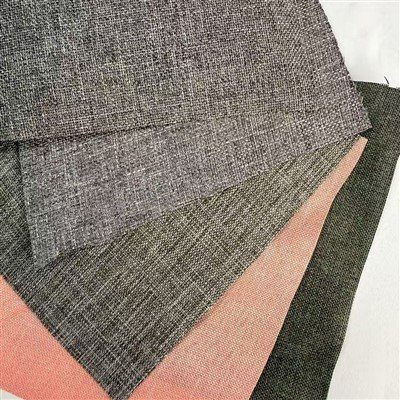
The level of durability you require will also have a significant impact on the type of thread you should choose. For example, if you’re making a quilt that will be used frequently, such as a bed quilt or a baby quilt, you’ll want to choose a strong, durable thread, such as polyester or nylon thread. On the other hand, if you’re making a quilt that will be used as a decorative piece, such as a wall hanging or a table runner, you may want to choose a softer, more delicate thread, such as cotton or silk thread.
Conclusion
300D Oxford Fabric Choosing the right thread for your quilting project is essential to ensure the quality, durability, and overall look of the finished quilt. By considering the type of fabric you’re using, the design of the quilt, and the level of durability you require, you can choose the thread that’s best suited for your needs. At our company, we offer a wide range of high-quality threads for quilting, including cotton, polyester, nylon, and metallic threads. We also offer a variety of colors and weights to choose from, so you can find the perfect thread for your project. If you have any questions or need help choosing the right thread for your quilting project, please don’t hesitate to contact us. We’re here to help you create the perfect quilt!
References
- Kostick, J. A. (2016). Quilting: Techniques and Inspiration. Storey Publishing.
- Pederson, D. (2018). The Quilter’s Book of Specialty Threads. Martingale & Company.
- Wright, J. (2017). Threads for Quilting: A Guide to Choosing the Right Thread. C&T Publishing.
Dongyang Huangxiu Leather & Plastic Co., Ltd.
With abundant experience, we are one of the most professional quilted fabric manufacturers in China. We warmly welcome you to wholesale customized quilted fabric made in China here from our factory. If you have any enquiry about quotation and free sample, please feel free to email us.
Address: Huangxiu Leather & Plastic Products, No. 79 Shunda Road, Huashui Town, Dongyang City, Zhejiang Province
E-mail: x372921764@163.com
WebSite: https://www.huangxiutextile.com/
