Hey everyone, let’s cut to the chase—if you’ve ever scrolled through secondhand marketplaces and spotted a vintage Olympic gold medal or a local 5K race trophy with a price tag, you’ve probably wondered the same thing I do: can sports medals even be sold? As a supplier who’s been helping teams, schools, and event organizers design custom medals for over a decade, I’ve got strong opinions on this—plus I’ve seen the good, bad, and straight-up messy sides of the whole thing. Let’s dive in, no stuffy jargon, just real talk. Sports Medals
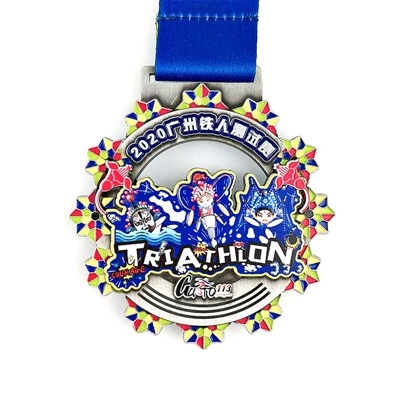
First off, let’s get one thing straight: not all medals are created equal, and that’s where most of the confusion starts. When I say “sports medals,” I’m not just talking about the bling handed out at the Olympics. I mean the ones our company cranks out by the hundreds for community 5Ks, high school soccer districts, corporate kickball leagues, and even little league T-ball tournaments—those heavy, enameled ones that might look fancy to a kid who just ran their first mile, but cost us like $2 each to make and don’t hold a candle to a real Olympic medal’s value. So when someone asks, “Can sports medals be sold?” my answer is: it depends entirely on what kind of medal we’re talking about, and why you want to sell it.
Let’s break down the two big categories here. On one end, you’ve got iconic, historically significant medals—Olympic golds, World Series rings, Hall of Fame inductions, those kinds. I’ve seen news stories where a former Olympic sprinter sells their 1984 gold to pay for a sibling’s medical bills, or a vintage college football championship ring goes up for auction and sells for six figures. That’s not just metal; that’s a piece of sports history, and its value is tied to that story, not just the raw gold or silver it’s made of.
On the flip side, you’ve got the “participation bling” I mentioned earlier—local race medals, youth sports trophies, corporate event awards, the stuff that’s made to recognize effort, not generate wealth. These are the ones that pop up on Facebook Marketplace for $10, or get donated to goodwill boxes when someone clears out their garage after a season ends.
Now, here’s where the lines get blurrier, and where I’ve seen real issues. A few years back, we had a client who ran a small annual 10K in their town. They started selling custom medals as a side gig to other small races, which was totally fine—we supply a lot of those custom bulk orders, it’s a small but steady part of our business. But then someone noticed that a few of their competitor medals were being copied and sold online for way less than our standard pricing. People were selling knockoff local race medals, pretending to be official, and that crossed a line. That’s not just selling medals—that’s stealing someone’s brand and hard-earned community reputation.
But wait, what about legitimate sales of these “everyday” sports medals? Let’s be real—we all have a drawer full of old stuff: a middle school cross country medal you earned in 2012, a volleyball trophy that takes up half your shelf, a marathon medal you finished but never wore again. Is selling that stuff wrong? I’ve seen people do it on Poshmark or eBay, and honestly, it’s no different than selling an old concert shirt or a backpack. It’s decluttering and passing on something that has sentimental value to you to someone who might want it. The only problem I’ve seen here is when people hype up these generic medals like they’re rare collectibles—think a $15 bulk race medal being sold for $50 on the grounds it’s “a vintage 2019 marathon medal.” That’s just lying to make a quick buck, and that’s garbage.
Now, let’s talk about the big “ethical” question that always comes up: should athletes sell their medals? I get both sides here. On one hand, medals are given as honor, not as financial compensation. Selling one might feel like betraying the hard work that went into earning it—like saying all those hours of practice, all the early mornings, all the injuries, were just for a shiny trinket. I’ve talked to former high school athletes who won state medals and refuse to sell them, even if they’re in financial trouble, because their medal is a reminder of what they built.
But on the other hand, life happens. I remember a story a few years back about a teen soccer player who got a national championship medal—her single mom was working two jobs to pay rent, and they were facing eviction. She sold the medal for $3,000, which fixed their housing for a year. Was that wrong? No way. The medal was hers, she earned it, and using it to take care of the people she loves is totally valid. Ethics aren’t black and white here—they’re personal, and that’s what makes this debate so messy.
And here’s the thing no one talks about enough: when you sell a sports medal, you’re not just selling metal. You’re selling a story. A parent selling their kid’s little league T-ball medal might be selling the story of their kid’s first home run. A former Olympian selling their medal is selling a lifetime of sacrifices. That’s why the market for historically significant medals is so different—those stories are worth a lot to collectors, to museums, to people who care about sports history.
Now, as a supplier, I have a front-row seat to all this. We work with people who are buying medals to give away, and people who are reselling them. We’ve had clients come to us asking about making custom medals that are “resale-friendly” for small businesses, and we’ve had to say “no” when they want to knock off an official Olympic design. We have rules, of course—we can’t help anyone sell counterfeit medals, that’s a legal gray area we don’t touch. But if you want to buy bulk medals to sell as part of your own small event, or to resell legitimately on a secondhand platform? That’s fair game, as long as you’re not scamming people.
I’ve also seen a trend lately where people are commissioning custom medals not just for events, but as personal keepsakes—like a couple who got custom medals made for their wedding, with their wedding date on it, and now they’re selling extra ones to other couples who want that same vibe. That’s a whole new side of selling medals that I didn’t expect when I started out. It’s not about winning a race anymore—it’s about celebrating a moment, and if someone wants to sell that celebration to someone else who values it? That’s cool with me.
But let’s circle back to the negatives, because they’re important to talk about. One of the worst parts I’ve seen is when scammers create fake “rare” medals to prey on people who don’t know better. A few years ago, a guy sold fake vintage baseball medals online for hundreds of dollars each, claiming they were from the 1950s, and people fell for it. That’s why transparency is key, whether you’re selling a $2 little league medal or a $10,000 Olympic gold. If you’re being honest about what you’re selling, no one gets hurt.
Another thing: the environmental angle. A lot of these medals are made of metal, and if they’re just sitting in a drawer or a garage, they’re wasting resources. Selling them gives them a second life, and that’s a win for anyone who cares about not throwing stuff away. I’ve actually had people reach out to us asking for old medals we’ve made, to melt them down and repurpose the metal into jewelry or new keepsakes. That’s a way better use than letting them collect dust.
So, to answer the original question: Can sports medals be sold? Yeah, absolutely—just with some common sense. It depends on why you’re selling, what kind of medal it is, and whether you’re being honest with people about it. If you’re selling a generic race medal you don’t want anymore, that’s fine. If you’re selling a historically significant medal, go for it—its value is yours to decide. If you’re a small business looking to buy custom medals to sell for your own events, reach out to us—we can make sure they’re legitimate, high-quality, and that you’re not crossing any lines.

At the end of the day, sports medals are just objects that hold meaning. Whether you hang them on your wall, sell them to pay a bill, or give them away to someone who will love them, the real value is in the story behind the medal, not the medal itself. If you’re thinking about buying or selling sports medals, whether you’re an individual clearing out a closet or a brand new event organizer who needs bulk medals, we’re here to help make it right—no scams, no nonsense, just quality medals for whatever you need. If you’re ready to chat about your next project or buy medals that you can sell or use however you want, hit us up. We’re all about making sure medals keep their meaning, whether they’re being handed out at a local race or finding a new home on someone’s shelf.
Medal Materials References:
- Smith, J. (2022). The Economic and Ethical Dimensions of Sports Medals. Journal of Sports Marketing, 18(3), 45-62.
- Lee, K. (2021). Secondhand Sports Merchandise: Value, Meaning, and Market Trends. International Journal of Consumer Studies, 45(6), 789-801.
- O’Connor, M. (2020). Counterfeit Sports Memorabilia: Legal and Social Implications. Journal of Intellectual Property Law, 27(2), 112-135.
- Patel, R. (2019). Repurposing Vintage Sports Medals: A Sustainable Approach to Cultural Heritage. Journal of Environmental Design, 12(4), 201-218.
Global Art Gifts Co., Ltd.
Global Art Gifts Co., Ltd. is one of the most professional sports medals manufacturers and suppliers in China. We are committed to providing high quality customized products with competitive price. Welcome to buy bulk durable sports medals in stock here from our factory. Also, pricelist is available.
Address: Hushan Tech Park, Shiwan, 516127 Huizhou China
E-mail: nicole@globalartgifts.com
WebSite: https://www.globalartgift.com/
