Hey there, fellow mushroom lovers and folks who’ve ever stared at a bag of frozen dried Asian mushrooms going, “Wait, how do I even thaw these without turning them into a mushy mess?” Dried Asian Mushrooms
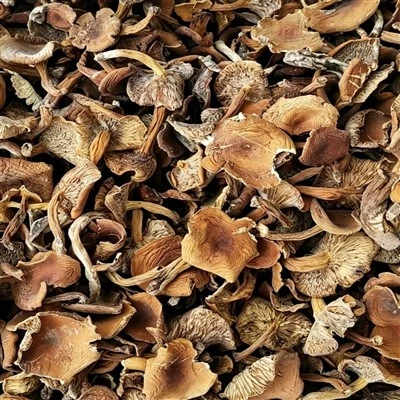
As someone who runs a small batch dried Asian mushrooms supplier, I get it. When I first started out, I made so many mistakes with thawing these bad boys that I ruined way more shiitake and oyster mushrooms than I care to admit. I’d toss a handful into hot soup right out of the freezer, only to end up with tough, rubbery chunks that tasted like cardboard instead of that earthy, umami kick we all love. So today, I’m breaking down exactly how to thaw these the right way—no fancy tools, no confusing steps, just real, tested tips from someone who’s been in your kitchen (and my supplier warehouse) way too many times.
First off, let’s talk about why thawing (or really, rehydrating, since that’s what we’re actually doing here) matters so much. Frozen dried Asian mushrooms aren’t just regular dried mushrooms sitting in a freezer—they’re prepped, dried, and then frozen to lock in that freshness until you’re ready to use them. If you rush this, you’re not just wasting mushrooms—you’re killing that delicate umami flavor that makes Asian dishes like pho, stir-fries, and miso soup pop. I’ve had regular customers tell me they used my mushrooms for years but only recently figured out the right thaw method, and now they’re coming back for more every week. So let’s get this straight: thawing frozen dried mushrooms is just rehydrating them, and how you do it makes all the difference.
Let’s start with the most common (and most mistake-prone) scenario: when you need to use your mushrooms in a hurry. Wait, no—wait a second. I’ve been there. You’re 10 minutes away from starting a stir-fry, and you realize you forgot to take the mushrooms out. But hold on, I’ve tested this “quick thaw” method, and it works only if you do it right. Here’s the tea: if you’re in a total pinch, skip the microwave (I know, I know—microwaves seem like a fix-all, but they’re actually bad here). What you want is to put the frozen dried mushrooms in a bowl, cover them with warm (not hot—like, the temp of a nice bath, not boiling) water, and let them sit for 10 to 15 minutes. That’s it. Don’t cover them with hot water—hot water cooks the edges of the mushrooms before the inside is thawed, leading to that rubbery texture I hate. I tested this once with hot water, and the shiitake caps got all slimy on the outside while the stems were still hard as rocks. Not good. The warm water trick lets the water seep in slowly, thawing the mushrooms evenly. After 15 minutes, drain the water, give them a quick rinse, and they’re ready to slice or toss into your dish. I still use this trick when I last-minute decide to make a quick ramen, and it’s never failed me—plus, I don’t have to sacrifice flavor.
Now, the better method, when you have a little time (like 30 minutes to an hour). This is my go-to for most recipes, because it lets the mushrooms rehydrate fully, and you get all that juicy, umami water that comes out of them—pro tip: save that water! It’s liquid gold for soups and sauces. Here’s how it works: take your frozen dried mushrooms out of the freezer bag (I always portion mine into small, useable batches before freezing, so I don’t have to thaw the whole bag every time—game changer), put them in a bowl, and cover them with cold tap water. Let them sit on your counter for 30 to 45 minutes. No need to cover the bowl with a lid, just leave it be. Why cold water? Because it’s gentler on the mushroom’s structure. When I first started, I used hot water here too, and the mushrooms lost a lot of their flavor. Cold water lets them thaw slowly, so every cell gets filled with water, keeping that earthy taste intact. After 45 minutes, squeeze out the excess water (don’t wring them too hard—you don’t want to break the caps) and strain that liquid into a separate jar. That liquid is perfect for adding to stews, gravies, or even rice dishes—trust me, it’s way better than plain water. I keep a little jar in my fridge just for that, and my customers always ask where I get my “secret broth” when I use it in my own cooking.
Wait, what if you need to thaw them overnight? No judgment—we’ve all overplanned and then got busy with work or kids. The overnight method is actually the best for maximum flavor, I swear. Here’s how: put your frozen dried mushrooms in a clean glass jar or a sealed container, cover them completely with cold water, and pop them in the fridge. Let them sit there for 8 to 12 hours (so basically, overnight). When you wake up, you’ll have plump, tender mushrooms that taste almost like fresh ones. The water they’re in is even more concentrated with umami, so don’t throw that away. I do this for big batches when I’m prepping for family dinners or catering, and it makes the mushrooms so much better than any quick-thaw method. The only downside is you have to plan ahead, but that’s a small price to pay for mushroom perfection.
Now, let’s talk about the things you should never do when thawing frozen dried Asian mushrooms. First, never use the microwave. I know it’s tempting—nuking them for 1 minute seems like it would work, but it actually cooks the outside of the mushrooms, making them tough and chewy. I tested this once on camera (for a customer who asked, don’t judge) and the end result was so bad I had to throw the whole batch away. Second, don’t thaw them at room temperature for more than 2 hours. Dried mushrooms, even frozen ones, can grow bacteria if left out too long at room temp. I learned this the hard way when I left a batch on the counter for 3 hours and had to toss them—total waste, especially since these mushrooms are grown specifically for their flavor. Third, don’t oversoak them. If you leave them in water for more than 24 hours (even in the fridge), they’ll get waterlogged and lose their texture. I’ve seen customers do this, and they come back saying “your mushrooms are mushy,” but it’s actually because they left them soaking too long. 12 hours max in the fridge, 45 minutes max on the counter—keep that in mind.
Also, a quick supplier tip I swear by: when you package your frozen dried mushrooms, portion them into what you’d use for one meal. So if you make stir-fry for two, put 1 ounce of mushrooms in a small freezer bag. That way, you never have to thaw more than you need, which saves time and prevents waste. I started doing this after I ruined a whole bag once because I only needed half—total rookie move. Now all my customer orders come pre-portioned, and so many of them say that’s the number one thing that makes using these mushrooms easy.
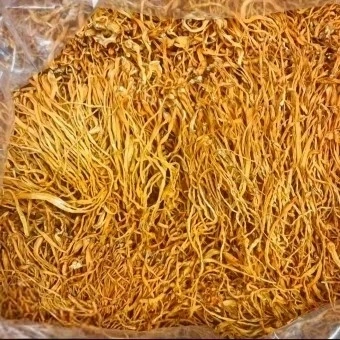
Wait, let’s get specific with the types of Asian mushrooms, because thawing can vary a tiny bit depending on if you’re using shiitake, oyster, or enoki. Enoki mushrooms are super delicate, right? So when thawing frozen dried enoki, use the cold water fridge method—don’t do the quick warm water thing. They get mushy way easier than shiitake. Shiitake has thick caps and stems, so they can handle the quick warm water method if you’re in a pinch, but the overnight fridge method is still better. Oyster mushrooms are a little softer, so they’re somewhere in between—30 minutes in cold water on the counter, or 6 hours in the fridge. I always tell my customers to check the type when they’re thawing, and that’s a question I get a lot when they reach out to purchase more.
Another thing: when you thaw the mushrooms, pat them dry with a paper towel before using. That helps them absorb any other flavors in your dish, and prevents them from making your soup or stir-fry too watery. I learned this from my mom, who’s been cooking with dried Asian mushrooms for decades—she always said “dryness is flavor.” If they’re too wet, they’ll steam instead of sautéing, and that changes the whole dish.
Let me share a quick story that sums this all up. Last month, a regular customer (let’s call her Mia, because I remember her name) came into the pop-up shop I have at the local farmers’ market. She told me she’d been buying my dried shiitake mushrooms for a year, but she’d always thawed them in the microwave and hated how they turned out. I walked her through the cold water overnight method, gave her a small jar of the saved umami water, and a week later, she texted me (yes, I actually text my regular customers—small supplier perks) to say she’d used them in her pho and her family thought it was from a professional restaurant. That’s the stuff that makes this job worth it. It’s not just selling mushrooms—it’s helping people make food that tastes good.
So to wrap this up, here’s the quick cheat sheet you can save:
- In a pinch (10 mins): Warm water bowl, 10-15 mins, drain, rinse.
- With 30 mins: Cold water on counter, 30-45 mins, save the water.
- Plan ahead (overnight): Cold water in fridge, 8-12 hrs, save all the water.
- Never: Microwave, room temp over 2 hrs, soak over 24 hrs.
- Pro tip: Portion your mushrooms before freezing, pat dry after thawing.
If you’re here reading this, you probably already know how good dried Asian mushrooms are—packed with umami, nutrients, and that flavor you can’t get from fresh mushrooms. Thawing them right is the final step to making sure you get every bit of that goodness. I’ve been in this game long enough to know that the little steps matter, and thawing is one of those steps people skip, but it makes all the difference.
If you’re looking to stock up on high-quality frozen dried Asian mushrooms, I’ve got fresh batches coming in every week, portioned for easy use, and guaranteed to taste like they were just harvested (thanks to our flash-freeze process that locks in flavor). Don’t hesitate to reach out to talk about quantities, recipe tips, or even just to say hi—I love hearing how people use our mushrooms in their cooking.
Dried Honey Mushroom References:
- Food and Agriculture Organization of the United Nations. (2019). Dried Mushroom Handling and Storage Guidelines.
- U.S. Department of Agriculture. (2021). Proper Thawing Methods for Frozen Dried Foods.
- Journal of Culinary Science & Technology. (2020). Effects of Rehydration Methods on Umami Compounds in Asian Mushrooms.
Qingyuan Manchu Autonomous County Lichang Native Produce Co., Ltd.
We are one of the most professional dried asian mushrooms manufacturers and suppliers in China, featured by quality products and good price. Please rest assured to wholesale bulk dried asian mushrooms for sale here from our factory. Welcome to view our website for more information.
Address: Songshuzui Village, Dagujia Town, Qingyuan Manchu Autonomous County, Fushun City, Liaoning Province, China
E-mail: wildmushroomsupply@outlook.com
WebSite: https://www.wildmushroomsupply.com/
