If you’ve ever pulled up to a gas station and stared at the pump like it’s a foreign object, don’t worry—you’re not alone. But if you’re now moving away from gas and checking out hydrogen as a clean, reliable fuel for your car, that same “wait, what do I do?” feeling might pop up at the hydrogen station. As a hydrogen station supplier who’s been in this game for over a decade, I’ve walked so many customers through this step-by-step, and let me tell you—it’s way simpler than it looks once you get the hang of it. No fancy science degree required, I promise. Hydrogen Station

First, let’s get one thing straight: hydrogen cars (we call them FCEVs, or Fuel Cell Electric Vehicles) aren’t that different from electric cars, just with a different fuel source, and the refueling process is way faster than charging an EV. Most FCEV drivers can top up in 3 to 5 minutes, same as gassing up a regular car. That’s a game-changer if you’re tired of waiting an hour or more for a full charge on longer trips. But before you even get to the pump, there are a few quick pre-station checks you don’t want to skip.
You know how you always make sure your gas tank isn’t leaking or anything before you pull up? Same here. First, confirm your car’s hydrogen tank pressure is at a safe level. Most modern FCEVs will give you a heads-up on the dash—if it’s low, don’t worry, that’s why you’re here. Also, check the weather. Wait, hear me out—extreme cold (like below -20°F) can slow down the refueling process a tiny bit, and extreme heat (over 90°F) might mean the station pauses for a quick safety check before you start. Not a big deal, just something to keep in mind so you don’t get impatient.
Another quick check: make sure the hydrogen station is compatible with your car. Most stations use the SAE J2601 standard nozzle, which fits all major FCEVs on the road now—Toyota Mirai, Honda Clarity, Hyundai Nexo, all of ’em. If you’re renting an FCEV, just double-check the car’s manual to confirm, but 9 times out of 10, it’s a match. No need to panic about hunting for a “hydrogen-only” station, most modern ones are built to handle all current FCEVs.
Okay, you’re parked at the pump. Now what? Step one: turn off your car. Yep, same as gassing up. It’s a safety thing—we don’t want any electrical sparks near the hydrogen. Pro tip: most stations will have a sign or a digital screen that tells you exactly where to pull in. The nozzle is usually on the left side of the pump, so line up the driver’s side of your car with that. Some stations have two pumps, so just pick the one that’s not already in use, and make sure there’s space for you to open your car’s hydrogen door (usually on the left rear side of the car, for those who didn’t know).
Once you’re settled, the next step is to get the pump ready. Wait, most modern stations are contactless, right? You can either use your phone’s app, tap a credit/debit card on the screen, or use a key fob that links to the station. I know, some people still prefer paying inside, but trust me, these days almost every station lets you pay right at the pump to skip the line. If you do want to go inside, just keep your car running off? No, wait—you turned it off, remember. Go inside, tell the attendant you need to refuel hydrogen, they’ll link your pump number to your payment, and you’re good to go. No need to overcomplicate it.
Now the part everyone worries about: connecting the nozzle. This is where people usually freeze up, but it’s super straightforward. First, pop open your car’s hydrogen filler door. You’ll see a little cap there—twist that off gently, set it somewhere safe (no stepping on it, please). Now, take the nozzle from the pump. You’ll notice it has a little latch on it; squeeze that latch to unlock it, and align the nozzle with the port on your car. Push it in firmly until you hear a click— that’s it, it’s connected. Don’t force it, though. If it doesn’t click, double-check that you lined it up right, no debris in the port (a quick wipe with a microfiber cloth from your glove box never hurts).
Once the nozzle is clicked in, step back a little. The pump will start automatically, right? Some pumps will even show you a countdown of how long it’ll take, and how much hydrogen you’re putting in. The process here is all about pressure balance—hydrogen is stored in the station at super high pressure (like 700 bar, which is way higher than gas), so the pump matches the pressure to your car’s tank to fill it safely and quickly. You don’t have to stand there watching it, by the way—there are sensors all over the nozzle and port that will shut off automatically when your tank is full, same as when a gas pump clicks off. No overfilling, no mess, it’s all controlled by the station’s tech.
While you wait (it’s only 3 to 5 minutes, so grab a soda from the station convenience store if you want), a quick safety note: hydrogen is lighter than air, so if there’s ever a leak, it will rise and disperse quickly, not pool on the ground like gas. That’s why hydrogen stations are designed with open, well-ventilated areas, so even in the rare case of a leak, it’s not a danger. No need to panic if you smell something (most stations have sensors that will alert attendants right away), it’s way safer than it sounds.
When the pump clicks off, that’s your queue. Go back to the nozzle, squeeze the latch again, pull it gently out of the port. Put the cap back on your car’s filler port, twist it until it clicks, and close the hydrogen door. Head back to the pump to settle payment. If you paid at the pump, just confirm the amount on the screen, sign if needed, and you’re done. If you paid inside, just let the attendant know you’re all set, and they’ll wrap up your transaction.
Wait, what if something goes wrong? Like the nozzle won’t click, or the pump doesn’t start? Don’t stress. Every station has emergency stop buttons—just press the big red button on the pump if you need to pause, and most stations have attendants on-site during peak hours, or a 24/7 help line you can call (the number is usually posted on the pump). I’ve had customers who had a tiny bit of dirt in the port, and a quick wipe fixed it—no big deal. The worst case is you have to try the other pump, which is never that far away.
Now, a few pro tips from someone who installs and maintains these stations for a living, so you don’t make the same mistakes I’ve seen drivers make. First, don’t wait until your tank is completely empty to refuel. Hydrogen tanks work best when they’re kept above 10% capacity, same as car batteries or gas tanks. Running it all the way down can put extra strain on the station’s pump, which will lead to longer wait times or even a failed fill.
Second, don’t bring your kids or pets too close to the pump. I know it’s easy to let them run around while you refuel, but these pumps use high pressure, and while they’re super safe, it’s better to keep them a safe distance, just like you would at a gas station.
Third, if you’re new to hydrogen, start with a station that’s close to home or work, not a random one 50 miles away. Most hydrogen infrastructure is growing in places like California, parts of Europe, and some parts of Asia, so plan your route before you take a longer trip—apps like A Better Routeplanner or even your car’s built-in navigation will show you where the nearest hydrogen stations are.
And a quick myth busting: hydrogen stations are not going to blow up. I’ve worked on hundreds of these stations over the years, and they’re built to way stricter safety standards than regular gas stations. The storage tanks are reinforced with multiple layers, the pumps have pressure sensors that shut down if anything is off, and every part of the station is tested regularly. It’s way safer than gas, I promise.
Now, if you’re thinking about making the switch to hydrogen, you’re probably wondering about setting up stations for a fleet, or if you’re a business owner looking to add hydrogen refueling to your sites. That’s why I’m here—we design, manufacture, install, and maintain hydrogen stations for everything from passenger cars to heavy-duty trucks, delivery vans, and even buses. We work with companies of all sizes, from small local fleets to big international brands, and we make the whole process as easy as possible, with 24/7 support and customized solutions that fit your needs.
If you’re curious about what it takes to set up a hydrogen station, or want to learn more about refueling for your fleet, just reach out. We can send a team to walk your site, assess your needs, and give you a transparent quote without all the jargon. No pushy sales calls, no hidden fees—just straight talk about how hydrogen can help you cut emissions and save on fuel costs in the long run.
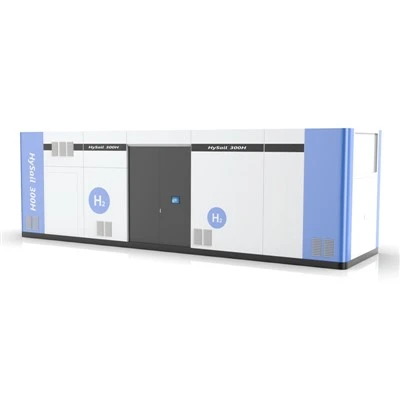
At the end of the day, refueling a hydrogen station isn’t that different from gassing up your car. It’s just a new fuel source, and like anything new, it takes a tiny bit of getting used to. But once you do, you’ll never want to go back to long charging times or high gas prices. If you have any questions, or are ready to take the next step with hydrogen for your business, feel free to connect with our team. We’re here to help every step of the way.
Key Components References
SAE International. SAE J2601: Fueling Protocols for Light Duty Gaseous Hydrogen Surface Vehicles.
U.S. Department of Energy. Hydrogen Refueling Station Safety Standards.
International Energy Agency. Global Hydrogen Review 2023.
Chengdu Hi-tech Panda Energy Technology Co., Ltd.
With abundant experience, we are one of the most professional hydrogen station manufacturers in China. Please feel free to buy high quality hydrogen station for sale here from our factory. Also, customized service is available.
Address: No.1604, 16th Floor, Unit 2, Building 1, No.1700, North Section of Tianfu Avenue, Chengdu High-tech Zone, China (Sichuan) Pilot Free Trade Zone
E-mail: Haikepanda-sos@aliyun.com
WebSite: https://www.haike-energe.com/
