If you’ve ever stood in front of a cold room that’s supposed to keep perishables fresh, only to find the air warm and spoiling goods, you know how frustrating that can be. As a cold room supplier who’s spent years troubleshooting these spaces for small businesses, restaurants, and grocery stores across the region, I’ve seen this issue derail operations—from a local café losing daily pastry stock to a distributor’s batch of fresh produce going to waste. A cold room that fails to cool isn’t just an inconvenience; it’s a financial hit. The good news? Most cooling issues stem from simple, fixable problems, not a total system replacement. Below, I’ll walk you through how to diagnose and fix a non-cooling cold room, drawing on hands-on experience from thousands of service calls and installations. Cold Room
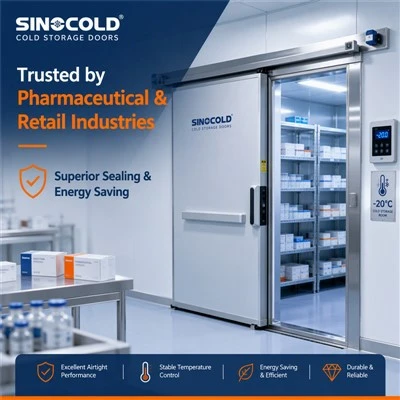
First, let’s start with the basics: check if the unit is even running. It sounds trivial, but I’ve watched new operations teams panic over a warm cold room only to realize someone accidentally flipped the power switch off. More often, the issue is tripped circuit breakers or blown fuses. Cold rooms run on dedicated electrical lines, so if the breaker for the unit trips, it will shut down immediately. Locate your electrical panel—usually near the cold room or utility closet—and check for a tripped breaker; if it’s flipped to the middle, reset it by switching it fully off then back on. If the breaker trips again right away, don’t reset it repeatedly—that’s a sign of an electrical fault you’ll want to address with a technician. Also, confirm the thermostat is set correctly; it’s easy to bump the setting higher when grabbing items, and many units have a lock mode to prevent accidental changes, so double-check the display matches your target temperature (typically 34–38°F for standard refrigerated cold rooms, -10°F or lower for freezers).
Next, inspect the cold room’s door and seals. A common, overlooked cause of poor cooling is air leaking out or warm air seeping in through gaps. Cold rooms rely on a tight, insulated barrier to maintain their temperature, so even a small gap can raise temperatures significantly. Start by checking if the door closes fully: hold a piece of paper along the door’s edge, close the door, and try to pull the paper out. If it slides easily, there’s a gap. Worn door seals (gaskets) are the most frequent culprit here. Over time, gaskets can crack, tear, or become misaligned from frequent use, and food residue or dirt can harden on the seal, creating barriers that prevent a tight fit. To clean gaskets, mix warm water and mild dish soap, gently scrub the seal with a soft brush, then dry thoroughly with a microfiber cloth. For minor cracks, a food-safe silicone sealant can temporarily patch small gaps, but if the gasket is torn or loose, replace it—most gaskets are designed to be swapped out in under 15 minutes, a quick fix that often solves cooling issues. Also, make sure nothing is blocking the door from closing: a stack of pallets leaning against the door, or a loose shelving unit, can prevent it from sealing tightly. For extra airtightness, some operators add a door sweep or magnetic strip to reinforce the seal, which is a cheap upgrade I recommend to most clients.
Once you’ve ruled out door issues, move to the evaporator coil. The evaporator coil is the part of the cooling system that absorbs heat from the air inside the cold room, and if it’s covered in ice or frost, it can’t do its job properly. Frost buildup happens when warm, humid air seeps into the cold room, usually from a leaky door, or when the defrost cycle (which melts frost off the coil) isn’t working correctly. To fix this, first turn off the cold room’s compressor and open the door to let the ice melt naturally—this can take a few hours, but don’t use sharp tools to chip ice off, as you can damage the delicate coil. After defrosting, clean the coil with a coil cleaner spray (specifically designed for HVAC units) to remove dust and debris, which can also insulate the coil and reduce heat absorption. If frost keeps reappearing, check the defrost timer or heating element—these parts control how often the coil is defrosting, and if either is faulty, a technician can replace them inexpensively. I’ve seen dozens of cold rooms start cooling again just by defrosting the evaporator coil, which is a free, no-part fix that takes minimal time.
Another key component to check is the condenser unit, located outside or on the roof of your building. The condenser’s job is to release heat absorbed by the evaporator, so if it’s blocked by debris, vegetation, or dirt, it can’t function. Start by clearing away any leaves, dirt, or weeds around the condenser—most cold room condensers need at least two feet of clear space on all sides for airflow. Next, check the condenser coil itself: use a soft brush or low-pressure air compressor to remove dust and grime from the coil’s fins. Clogged condenser fins prevent heat from escaping, which makes the compressor work too hard and can lead to it shutting down. If the fins are bent, a fin comb (a cheap tool specifically for straightening coil fins) can fix them, restoring proper airflow. I once visited a grocery store where a condenser was completely blocked by a pile of delivery boxes left too close—after moving the boxes and cleaning the coil, the cold room’s temperature dropped 10 degrees in 24 hours, saving the store from spoilage.
If all the above checks pass, it’s time to look at refrigerants. Refrigerant is the fluid that circulates through the cooling system to absorb and release heat, and a low charge means there’s not enough fluid to cool the air. Low refrigerant levels almost always come from a leak in the system—small leaks can develop over time from wear on pipes or connections. It’s not recommended to add refrigerant without finding the leak first; if you just top off the system, the leak will continue to drain the fluid, and you’ll be back to a non-cooling cold room in a few weeks. A technician can locate leaks using electronic leak detectors or UV dye, then repair the pipe and recharge the system to the exact amount specified for your cold room model. I always advise my clients to schedule regular refrigerant checks as part of cold room maintenance, since leaks are a common, avoidable issue that causes unnecessary downtime.
Also, check the air circulation inside the cold room. Even if the mechanical parts are working, if air can’t flow freely, temperature zones will form—some areas will be too warm, others too cold. Make sure stored items are not stacked against the walls or the evaporator coil; leave at least six inches of space around the coil to let cool air circulate. Pallets should be stacked evenly, not piled high on one side, and shelving units shouldn’t block air vents (many cold rooms have return vents near the ceiling or floor to draw air back to the cooling system). I once worked with a small café that kept all their dairy products stacked on a shelf directly above the evaporator, which blocked 70% of airflow—after rearranging the shelf, their cold room temperature stabilized, and they stopped losing half their yogurt stock every month. For larger cold rooms, adding a ceiling fan can improve air circulation and even reduce energy use by 10–15%, a small upgrade with big results.
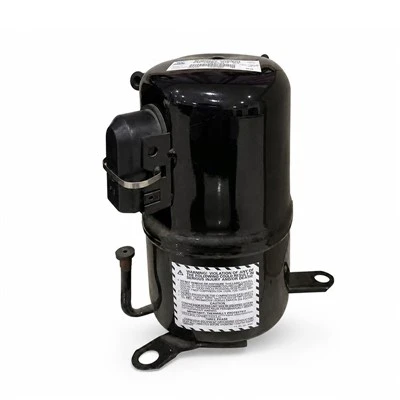
Now, if you’ve tried all these fixes and your cold room still isn’t cooling, it’s likely a more serious issue with the compressor, thermostat, or control board. The compressor is the heart of the cooling system, and if it fails, the entire unit won’t run. Signs of a bad compressor include unusual noises (grinding, humming that won’t stop) or the unit cycling on and off frequently. Replacing a compressor is a bigger job, but it’s often more cost-effective than replacing the whole cold room, especially if it’s a newer model. The thermostat or control board might also be faulty; if the display is glitchy or the unit isn’t responding to temperature adjustments, a technician can test and replace these parts quickly.
As a cold room supplier, I know that most small business owners don’t have in-house HVAC experts on staff, so I always recommend a routine maintenance schedule. A professional service visit twice a year can catch small issues before they turn into costly breakdowns: cleaning coils, checking gaskets, testing refrigerant levels, and calibrating thermostats. This proactive approach can extend your cold room’s lifespan by several years and reduce downtime by 80%, per data from the Refrigeration Service Engineers Society.
At the end of the day, a non-cooling cold room is almost never a catastrophic failure—most issues are preventable with simple checks. If you’ve tried these steps and still can’t get your cold room to cool properly, don’t hesitate to reach out to discuss your needs. Our team of cold room specialists is ready to help you diagnose the problem, whether you need minor repairs, routine maintenance, or a new cold room tailored to your space.
Cold Storage References
Refrigeration Service Engineers Society. (2022). Cold Room Maintenance Best Practices. ASHRAE Journal.
U.S. Small Business Administration. (2021). Managing Commercial Cold Storage Facilities. SBA Office of Entrepreneurship.
Department of Energy. (2020). HVAC Coil Maintenance for Commercial Refrigeration Systems. DOE Energy Efficiency and Renewable Energy Office.
Hangzhou Sino-cold Sci-tech Co., Ltd.
Hangzhou Sino-cold Sci-tech Co., Ltd. is one of the most professional cold room manufacturers and suppliers in China, also supports custom service. We warmly welcome you to wholesale advanced cold room made in China here from our factory. If you have any enquiry about cooperation, please feel free to email us.
Address: Yunshang Science and Technology Park, No.776 Wenxi Road, Hangzhou, Zhejiang Province, China
E-mail: han@cnrefrig.com
WebSite: https://www.cnrefrig.com/
