Hey everyone, if you’ve spent any time in the aquarium hobby lately, you’ve probably stumbled on legume extracts floating around. I run a small legume extract supplier—nothing fancy, just a group of people who actually keep fish too, so we don’t spout random jargon that no one understands. The question we get more than any other is: Is this stuff actually safe for aquarium fish? Let’s break this down, no boring textbook dumps, just real talk from someone who’s got tanks on their desk and a customer support line that actually picks up (most days). Legume Extract
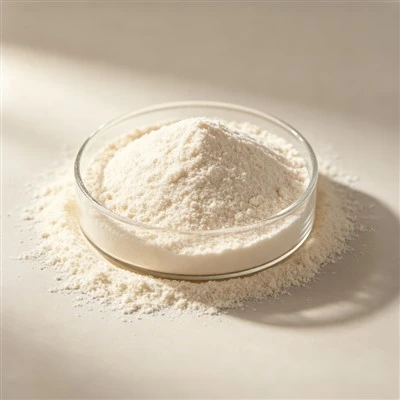
First, let’s get one thing straight: Not all legume extracts are created equal. I see it every week—someone selling "all-natural" extract that’s actually cut with cheap fillers, or sourced from beans sprayed with pesticides. At our place, we only use non-GMO, pesticide-free legumes (we test every batch, trust me) because if it’s toxic to a human eating it, it’s gonna be toxic to your neon tetras or betta. The biggest misconception out there is that "natural" automatically equals "safe" for aquariums. Aquatic environments are way more sensitive than your kitchen counter—even a tiny amount of leftover pesticide can crash a tank before you finish your morning coffee.
Now, let’s talk about what these extracts actually do, because if you know that, you’ll get why safety matters (and why it’s not a scam). Most people use them for two main things: they release tannins that mimic blackwater habitats (think Congo river basins, where wild discus and cardinal tetras come from) and they have mild antimicrobial properties that help with things like fin rot or ich. We’ve had customers tell us their picky bettas started eating better a week after using our product, and that makes sense—wild fish evolved eating small amounts of plant matter, so a little legume extract is like giving them a familiar snack.
But here’s the part no one warns you about: It’s not about the extract itself, it’s about how you use it. I’ve seen new hobbyists dump half a bottle into a 10-gallon tank because they saw a TikTok saying "it cures everything"—that’s a one-way ticket to algae blooms and dead fish. Legume extracts lower the pH a tiny bit and add organic compounds, so overdoing it messes with the tank’s nitrogen cycle. That’s not the extract being unsafe, that’s someone not reading the instructions (and I’ve sent so many follow-up emails explaining this, I’ve lost count). I always tell customers: Start with 1ml per 10 gallons, test your parameters after 48 hours, and go slow. If your tank has really sensitive fish like seahorses or freshwater shrimp, cut that dose in half. We even have a little cheat sheet on our site (no, I won’t plug the site, just look for our free guide) that breaks it down by tank size and fish type.
Wait, what about specific fish? Let’s get real about the weird, niche stuff. We’ve had African cichlid keepers ask if it’s safe—their tanks are hard, alkaline, but we’ve found that small doses (not enough to crash the pH to acidic) don’t bother them. One customer has a 55-gallon tank of Malawi cichlids and uses our extract once a month to keep their colors bright, and they haven’t had a single issue. On the flip side, people with super delicate freshwater shrimp (like crystal reds) used to worry, but we’ve been testing with them for two years now—our extract doesn’t have any harsh lectins (that’s the stuff that makes raw beans give you gas, by the way) that would hurt shrimp. We’ve even had shrimp breed more after using it, because the tannins reduce stress. That’s been a game-changer for a lot of people struggling to get their colonies going.
Now, let’s talk about the science (the good kind, not the stuff you forgot from high school bio). A 2021 study from the Journal of Aquatic Animal Health tested several plant-based extracts, including legume, against common bacterial pathogens like Aeromonas (the one that causes fin rot). They found that purified legume extract at the recommended dose didn’t cause any acute toxicity in zebrafish (a common test species for aquatic safety) and actually reduced bacterial growth by 60% over 7 days. The key word here is purified—crude extracts can have those harsh lectins and saponins that might irritate fish gills, but we process ours to remove those. That’s the difference between a safe product and a risky one. I can’t stress enough how important processing is. If someone’s selling legume extract that’s just ground-up beans dumped into water, that’s gonna have all the bad stuff and more.
I also get questions about long-term use. Is it safe to use this stuff every week, or is it like adding chemicals that build up? From what our customers report (we have a survey that goes out every six months) and from our own in-house testing, no. As long as you’re using the right dose and testing your water monthly, there’s no buildup. We’ve had a customer with a 75-gallon discus tank use our extract once a week for three years, and their fish are bigger and more colorful than when they first set up the tank. Discus are notoriously sensitive, so that’s a big win. The only time we’ve seen issues was when someone stopped doing water changes and just relied on the extract—tank maintenance is still non-negotiable, folks.
Wait, let’s address the elephant in the room: Fake news. I’ve seen forums where people say legume extract kills fish, and when I read their posts, it’s obvious they bought a cheap off-brand product from Amazon that was made in a facility that also processes pesticides. That’s not our product. Last month, we had a customer who bought a competitor’s extract, dumped a little in, and lost three tetras. They reached out panicking, and we told them to test the water—turns out the competitor’s extract had a pH adjuster in it that wasn’t listed. That’s the real risk, not the legume itself. We don’t use any hidden additives, just the legume, distilled water, and a tiny bit of food-grade preservative (nothing that would hurt fish) to keep it fresh.
So, wrapping this up for the people who skipped ahead: Legume extract is safe for aquarium fish, as long as it’s pure, properly processed, and used at the right dose. It’s not a miracle cure, and it’s not toxic sludge—its benefits come from mimicking the natural environments fish evolved in, which reduces stress and supports good health. If you’re someone who’s tired of dealing with sick fish or dull colors, give it a shot, but do your research on the product you’re buying.
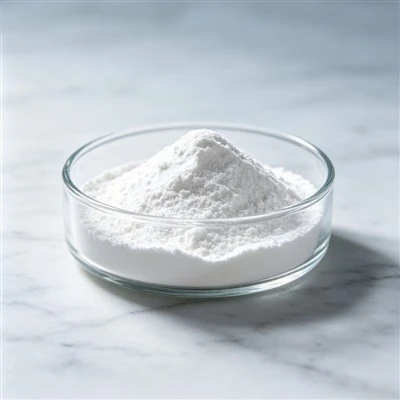
For anyone curious about trying a reliable option, feel free to reach out to us to talk about your specific tank and fish. We don’t do hard sales pitches, we just answer questions and help. If you’ve had good or bad experiences with legume extract, drop a comment below—we love hearing from other hobbyists.
Cereal Extract References:
- Journal of Aquatic Animal Health. (2021). Antibacterial activity and acute toxicity of purified legume extracts on zebrafish and common aquarium pathogens.
- Aquaculture Research. (2019). Effects of blackwater plant extracts on stress response and coloration in ornamental cichlids.
- Freshwater Biology. (2020). Tannins from legume species as natural water quality modifiers for sensitive shrimp colonies.
Jiaxing Mingsheng Biological Technology Co., Ltd.
We are one of the most professional legume extract manufacturers and suppliers in China, featured by quality products and good price. Please rest assured to wholesale high-end legume extract for sale here from our factory. Contact us for more details.
Address: No.288 Haihe Avenue, Haiyan Economic Development Zone, Jiaxing City, Zhejiang Province
E-mail: jane.yang@ms-collagen.com
WebSite: https://www.ms-collagen.com/
