If you work with small hole expanded metal—whether you’re an installer, a fabrication shop, a lab technician, or a homeowner sourcing parts from our supply line—you know the material’s biggest strength is also its biggest headache: those tiny, precision-cut holes trap dust, grease, metal shavings, and residual production debris faster than almost any other sheet metal product. Last quarter, a mid-sized equipment manufacturer reached out to us frustrated that their incoming small hole expanded metal (they ordered 12-gauge, 3/16” hole size for conveyor screening) was so clogged with mill residue that it wouldn’t pass their quality testing. That’s when we realized: most cleaning guides for expanded metal focus on large openings, and no one breaks down what works for small holes without damaging the metal’s structure or precision. As a small hole expanded metal supplier who’s worked with the material for 18 years, I’ve tested dozens of cleaning methods, wasted thousands of dollars in bad batches, and developed a step-by-step process that balances deep cleaning with the tight tolerance our products are designed for. Small Hole Expanded Metal

First, let’s get one critical detail straight: why small hole expanded metal demands a different approach. Unlike welded mesh or perforated sheet, expanded metal is made by slitting a solid sheet of metal and pulling it apart to create uniform, diamond-shaped openings. For small holes (we define 1/8” to 3/8” as our “small hole” range, standard for HVAC filters, medical device parts, animal enclosure flooring, and food processing equipment), the gaps between strands are only a fraction of the overall opening size. That means debris doesn’t just sit on the surface—it gets wedged in the valleys between strands, pressed into the slits from production, and even trapped under the raised edges of the expanded pattern. The worst part? Scrubbing too hard, using the wrong tools, or skipping pre-cleaning steps can bend those thin strands, stretch holes out of tolerance, or leave scratches that ruin the material’s corrosion resistance (a make-or-break feature for marine or food grade applications).
Let’s start with the most common mistakes we see customers make, because avoiding these will save you hours of work and ruined parts. First, don’t use a high-pressure power washer on small hole expanded metal. Even low-pressure settings (1000 PSI or less) can push debris through holes hard enough to bend strands, especially on softer metals like aluminum or thin-gauge stainless steel. Second, don’t use abrasive scouring pads or steel wool on the product surface. Abrasives leave micro-scratches that are impossible to remove, and they can catch on the edges of small holes and tear strands. Third, don’t soak carbon steel small hole expanded metal in harsh acid or alkaline solutions without pre-rinsing—these can cause flash rust or uneven etching on the metal’s surface, which ruins its appearance and structural integrity for outdoor use.
Now, the method we recommend for our standard line of small hole expanded metal, tested and refined on thousands of batches for customers across industries. It works for carbon steel, aluminum, and stainless steel, and it’s designed to get debris out of even the smallest 1/8” holes without damaging the material’s precision.
First, pre-cleaning: remove loose surface debris. Before you do any deep cleaning, brush the expanded metal with a soft-bristle nylon brush (not metal) to knock off loose dust, wood shavings, or loose mill scale that’s sitting on the surface. For large sheets, we like using a long-handled floor brush—just make sure the bristles are stiff enough to reach into the holes, but soft enough that they won’t scratch the metal. If your small hole expanded metal has caked-on debris (like hardened grease from a fabrication shop, or cement dust from a construction site), skip the brush first: use a vacuum with a soft brush attachment to suck out as much loose debris as possible before wet cleaning. This prevents wet debris from turning into a paste that’s even harder to get out of small holes.
Next, choose the right cleaning solution. For most general applications (like HVAC filters, animal enclosures, or general fabrication), a mild, pH-neutral detergent works best. Mix 1 gallon of warm water (not hot—hot water can set grease in small holes) with 1 tablespoon of a gentle dish soap or a commercial non-abrasive metal cleaner. For stubborn grease or organic debris (like food processing equipment), add 1/4 cup of baking soda to the solution—it’s alkaline enough to cut grease, but mild enough that it won’t etch aluminum or stainless steel. For carbon steel small hole expanded metal, add a small amount of rust inhibitor to the solution to prevent flash rust while you clean.
Now, the deep cleaning step for small holes. Here’s where most people mess up: you can’t just dunk the sheet and scrub it with a brush. For small hole expanded metal, we use a dip and agitate method that gets every gap without bending strands. First, fill a plastic tub or a stainless steel tank with your cleaning solution. Make sure the tub is large enough to fully submerge the sheet without folding or bending the metal—even a small fold in a 12”x24” sheet can create a crevice that traps debris permanently. For large sheets, use a large, flat sink or a portable cleaning tank. Submerge the small hole expanded metal fully, making sure there are no air pockets trapped under the strands—air pockets will keep cleaning solution from reaching the holes. Let it soak for 10 to 15 minutes, depending on how dirty the sheet is. For heavy debris, you can add 5 more minutes, but don’t let it soak for longer than 30 minutes—long soaks can cause mild discoloration on thin-gauge metal.
After soaking, the agitating step is key. You don’t want to scrub the surface—you want to agitate the solution to create movement that pushes debris out of the small holes. For small sheets (12”x24” or smaller), hold the sheet by the edges and gently lift it 2 to 3 inches out of the solution, then drop it back down. Repeat this 10 to 15 times, making sure the sheet doesn’t hit the bottom of the tub hard enough to bend strands. For larger sheets, use a soft plastic spreader to gently agitate the solution across the surface—again, avoid hard pressure. If you still see debris stuck in some holes, use a soft nylon pipe cleaner (the kind used for cleaning drinking straws) to gently poke out the debris. Pipe cleaners are flexible enough to fit into 1/8” holes, and soft enough that they won’t scratch or bend strands. Never use a metal pick or a screwdriver—these will easily bend thin strands or tear the expanded pattern.
Once you’ve agitated the solution, rinse the sheet thoroughly. For most applications, use room temperature or cool tap water—hot water can leave mineral deposits in the small holes, which will become a breeding ground for bacteria if the expanded metal is used for food or medical parts. Start rinsing from the top of the sheet, letting water flow down across the surface, so debris is pushed out of the holes instead of being forced further in. For small holes that are still clogged, use a low-pressure garden hose (set to the “shower” setting, not the jet setting) to spray the surface—keep the hose 12 to 18 inches away from the sheet, so the pressure is gentle enough to push debris out without bending strands. For stainless steel parts, add a final rinse with distilled water to remove mineral deposits.
Finally, dry the small hole expanded metal properly to prevent rust, water spots, or corrosion. First, shake off excess water by lifting the sheet and tapping the edges gently on a hard surface. Then, lay it flat on a stack of absorbent towels (use cotton towels, not paper towels, which leave lint in the holes) and let it air dry for 1 to 2 hours in a cool, dry area—avoid direct sunlight, which can cause water spots on thin-gauge metal. For carbon steel small hole expanded metal, once it’s fully dry, wipe the surface with a light coat of food-safe or industrial-grade mineral oil to prevent rust. For stainless steel and aluminum, you don’t need an oil coat, but make sure it’s completely dry before stacking to prevent water spots.
We’ve also developed specialized cleaning methods for specific industries, because a small hole expanded metal used in medical devices is very different from one used in outdoor animal enclosures. For medical or pharmaceutical applications, we recommend using a sterilizing solution of 70% isopropyl alcohol mixed with distilled water, instead of detergent. Soak the sheet for 5 minutes, agitate gently, rinse with distilled water, and air dry in a sterile environment—this removes pathogens without leaving residue, which is critical for parts that come into contact with sterile products. For food processing equipment, use a food-grade sanitizer solution (following FDA guidelines) and avoid any harsh chemicals that could leave toxic residue. For outdoor carbon steel small hole expanded metal, add a rust inhibitor after drying before applying a protective coating, to ensure the holes stay clear and corrosion-resistant.
Over the years, we’ve tested these methods on thousands of batches, and we’ve found that skipping even one step leads to problems. For example, last year a customer tried to clean their small hole expanded metal with a high-pressure washer, and ended up with 200 ruined sheets with bent 1/8” holes—they had to reorder, which cost them extra time and money. Another customer tried to use steel wool to scrub a greasy batch, and left micro-scratches that caused the stainless steel to corrode in a marine environment, leading to a product failure within 6 months. These mistakes are avoidable, and that’s why we share our cleaning tips—because as a supplier, our job isn’t just to sell small hole expanded metal, it’s to make sure it works for our customers’ applications.
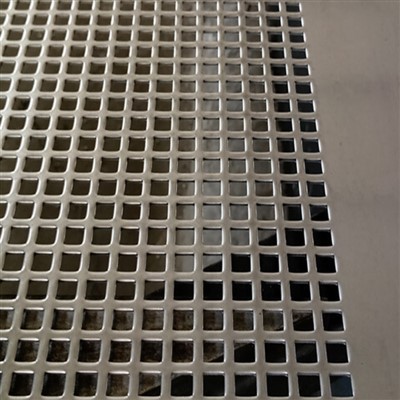
If you’re working with small hole expanded metal and don’t have the time or resources to clean it yourself, or if you need custom cuts with specific hole sizes or metal grades, we’re here to help. We supply a full line of small hole expanded metal, from 1/8” to 3/8” holes, in carbon steel, aluminum, and stainless steel, and we can cut sheets to your exact dimensions. Whether you’re a fabricator, a construction company, a medical device maker, or a farm supply store, we can help you source the right material and get it cleaned to your specifications. Reach out to us to discuss your project needs, get a custom quote, or ask any questions about small hole expanded metal cleaning or sourcing.
Flattened Expanded Metal References:
- Expanded Metal Manufacturers Association. (2021). Standard Practices for Expanded Metal Fabrication and Maintenance.
- American Society of Mechanical Engineers. (2020). Guide to Cleaning Metal Components for Industrial Applications.
- Food and Drug Administration. (2019). Sanitation Guidelines for Metal Equipment Used in Food Processing.
- National Association of Architectural Metal Manufacturers. (2022). Corrosion Prevention for Small Hole Metal Products.
Anping Yilida Metal Wire Mesh Co., Ltd.
Anping Yilida Metal Wire Mesh Co., Ltd. is one of the most reliable small hole expanded metal manufacturers and suppliers in China, also supports customized service. Please feel free to buy bulk high quality small hole expanded metal made in China here from our factory.
Address: Wire Mesh Development Zone, Anping, Hebei Province, China
E-mail: sales@wiremesh-yg.cn
WebSite: https://www.yilidametal.com/
