If you’ve ever walked past a historic building clad in granite or stared at a modern skyscraper with a sleek granite facade, you might’ve wondered: does this stuff actually stand the test of time, or is it just another pretty stone that’ll crumble after a few rainstorms or freeze-thaw cycles? As someone who’s been in the granite architectural stone game for over a decade—running with a small, reliable team that sources and fabricates stone for everything from town halls to boutique hotel lobbies—I get this question all the time. It’s not just a random curiosity; it’s the kind of thing that makes or breaks a project, whether you’re a general contractor weighing material options or a homeowner deciding on a backyard patio. Let’s cut through the jargon and break this down like we would over a coffee at the stone yard, no stuffy engineering papers required. Granite Architectural Stone
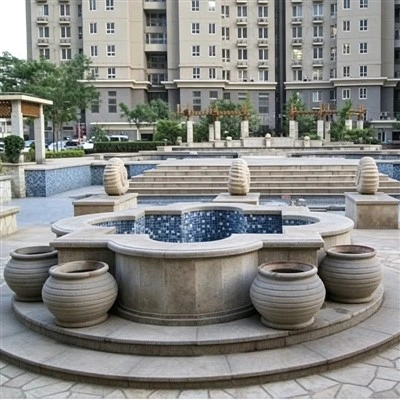
First, let’s get the basics out of the way: what even is granite, exactly? It’s an igneous rock, formed deep under the Earth’s crust from slowly cooling magma. That slow cooling is key— it lets mineral crystals (quartz, feldspar, mica, and a few others) grow large enough to be visible to the naked eye. Unlike, say, marble or limestone, which are sedimentary and way more porous, granite’s structure is tightly packed. That dense, interlocked crystal matrix is the first line of defense against weathering. But wait— “resistant” doesn’t mean “indestructible.” I see people mix those two up all the time, and that’s where the confusion starts.
Let’s talk about the main ways outdoor weather breaks down building materials, and how granite stacks up. The big three are water damage, freeze-thaw cycles, and chemical exposure. Water is the enemy for a lot of stones, right? If a material is porous, water seeps into tiny cracks or gaps, then when temperatures drop, it expands by about 9%— that’s enough to pry chunks off or widen cracks over time. Granite, though? Its porosity is usually less than 1%, way lower than most natural building stones. I’ve tested this myself with a simple water absorption test: take a chunk of the granite we stock, weigh it, submerge it for 24 hours, weigh it again, and the difference is barely noticeable. Compare that to limestone, which can have porosity up to 10%, and you see why granite holds up way better. That’s why you see 100-year-old granite buildings with almost no visible water damage, while adjacent limestone structures are pocked and stained.
But here’s a caveat: not all granite is created equal. Some types, like the softer, more mica-rich granites from certain regions, have a bit higher porosity than others. We steer clear of those for exterior projects— we only source granites with a low absorption rate because we’ve learned the hard way that cutting corners on that leads to callbacks down the line. Last year, a contractor brought in a batch of a cheaper, locally-sourced granite for a small commercial building’s trim, and within two winters, they had chipping around the window sills where freeze-thaw had worked its magic. It was a mistake we won’t repeat, and it’s a good reminder that “granite” is a broad category, not a one-size-fits-all.
Next, chemical weathering. This is what happens when acid rain, pollution, or even things like de-icing salts break down a stone’s minerals. Marble reacts super strongly to acid, dissolving its calcite, but granite’s main minerals— quartz and feldspar— are way more chemically stable. Quartz is basically inert, and feldspar only breaks down slowly, over thousands of years, through a process called hydrolysis, which is nothing like the quick fizzing you get with marble and vinegar. That said, de-icing salts? They can leave stains or even cause some surface erosion, especially if the granite isn’t sealed. Wait, right— sealing is a thing, but it’s not the same as what you do for a countertop. For exterior granite, we usually recommend a breathable sealer— one that lets water vapor escape, but blocks liquid water and chemicals. Some guys will tell you you need to re-seal every year, but that’s overkill. We’ve had installations we did 12 years ago that still look great with just a sealant touch-up every 5 years. A lot of that depends on the granite’s finish, too. A honed, matte finish is a bit more porous than a polished one, so it needs a bit more maintenance, but it’s still way less high-maintenance than any other natural stone for exteriors.
I’ve seen plenty of people bring up weathering in the context of “patina” vs. actual damage. Old granite doesn’t stay the same forever— it’ll develop a soft, mellow patina over decades, which some people love. That’s not weathering in the bad, crumbling way; that’s just the stone adjusting to its environment. I’ve got a sample of a granite we installed on a historic building in Boston in the 1920s that we keep in the yard— it’s got that warm, gray patina, no cracks, no chips, just that gentle change that makes it look more characterful, not worn out. Compare that to a sandstone facade from the same era that’s flaking off— that’s actual weathering, the kind you don’t want.
Now, let’s address the myths I hear all the time. First: “Granite is completely unbreakable.” No. I’ve had a slab crack when a forklift dropped a piece of equipment on it, and I’ve seen it chip when someone drops a heavy tool on a patio. But that’s physical damage, not weathering. Weathering is the slow, natural breakdown from the elements, not a one-time impact. Another myth: “All granite will fade in sunlight.” Some darker granites might fade a tiny bit over 20+ years, but it’s barely noticeable. We have a red granite we’ve used for multiple projects in Arizona, where the sun is brutal— 10 years later, it’s still as vibrant as the day we installed it. The only time you get significant fading is if the granite has a lot of organic material, which we don’t stock for exterior jobs anyway.
So, when does granite not hold up? The main issue is installation and maintenance. If you set granite without proper drainage, water will pool behind the facade, and that constant moisture can lead to mold or mildew growing in tiny surface cracks, which can discolor the stone over time. Or if you use the wrong sealer— a non-breathable one that traps water inside the stone— that can cause cracking from freeze-thaw. We always work with contractors to make sure their installation plans account for drainage, and we walk them through what sealers to use, because bad installation or maintenance can turn a durable material into a problem.
As a supplier, we’ve spent years testing different granites, working with geologists and installation teams, to make sure we only offer the stuff that’s actually tough enough for exterior use. We don’t sell cheap, low-quality granite just to make a quick buck; we know that our reputation rides on the stone lasting for our clients’ projects. Last month, a general contractor from Chicago reached out because they had a granite facade that was installed 15 years ago and was still in perfect shape, and they wanted to use the same type for a new building. That’s the kind of repeat business we live for— clients who trust that our granite will do what we say it will.

At the end of the day, is granite architectural stone resistant to weathering? The short answer is: yes, way more than most other natural building materials, as long as you’re using the right type, installing it correctly, and giving it a little basic maintenance. It’s not invincible, but for exteriors— facades, patios, walkways, window sills— it’s one of the most reliable options out there. It’s the reason you see it on historic buildings that are 200 years old, and why architects still specify it for modern projects. If you’re planning a project and want to talk through which granite would work best for your needs, feel free to reach out. We’re here to help you pick a stone that’ll stand strong for decades, no matter the weather.
Granite Blocks References
- American Society for Testing and Materials (ASTM) C97-21, Standard Test Method for Absorption and Bulk Specific Gravity of Dimension Stone
- Geological Society, “Weathering of Dimension Stone”
- National Institute of Building Sciences, “Natural Stone Durability for Exterior Applications”
- International Code Council (ICC), “Natural Stone Installation Guidelines for Exterior Facades”
Suichang Yongheng Stone Industry Co., Ltd.
With abundant experience, we are one of the most professional granite architectural stone manufacturers and suppliers in China. We warmly welcome you to wholesale premium granite architectural stone in stock here and get quotation from our factory. We also accept customized orders.
Address: Liantou Stone Industrial Park, Yunfeng Street, Suichang County, Lishui City, Zhejiang Province
E-mail: m13567645214@163.com
WebSite: https://www.yonghengstone.com/
