Hey everyone, let’s cut to the chase—if you’re deep in the market for Brown’s gas generators, you’ve probably stumbled through a mountain of vague claims, conflicting forum takes, and random YouTube videos that either hype these things up or call them scams. As someone who’s been supplying Brown’s gas generators for years (yeah, I’m on the vendor side, but I’m not here to sell you a bad unit just for cash), I want to pull back the curtain on what real reviews actually sound like, not the paid junk you’ll find on some sketchy websites. Brown’s Gas Generator
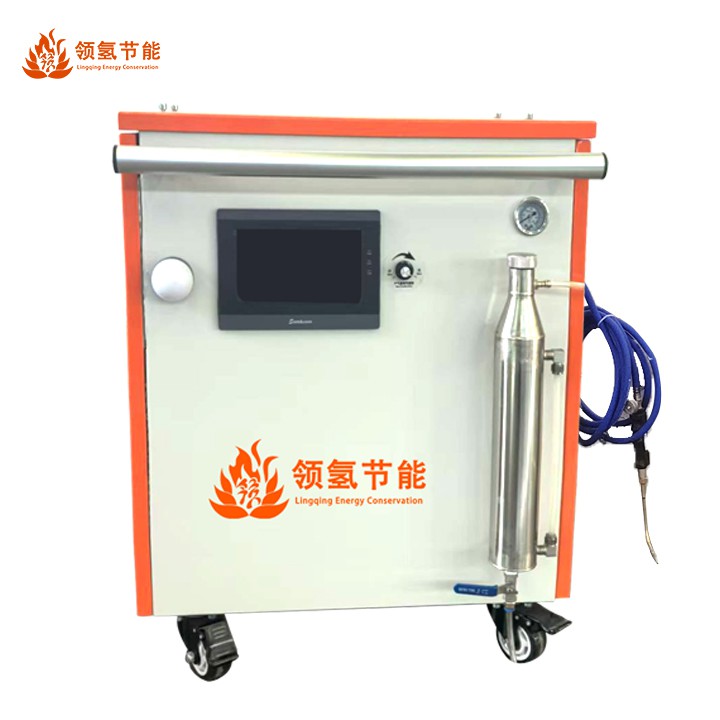
First, let’s make sure we’re all on the same page: Brown’s gas (aka HHO, oxyhydrogen gas) is a mix of hydrogen and oxygen created by splitting water with electricity, right? The generators we sell do that via electrolysis, usually with stainless steel plates, a 12-24V DC or variable AC power setup, and they don’t need fossil fuels to make the gas. But reviews? They’re split so hard, it’s like people are talking about two totally different products.
I spend a lot of time chatting with buyers—shops that use these for welding, fleet guys testing them for engine efficiency, small manufacturing outfits looking to replace their old gas cutters—and I can tell you the good, the bad, and the straight-up lies from real people.
Let’s start with the good stuff, because there’s a reason some guys swear by their generators. Take Jake, a welding shop owner out in Phoenix I hooked up with last year. He was tired of the high cost of bottled oxy and propane, and his old setup was cutting into his profit margins. His review? He said his generator has cut his gas expenses by 60% in 8 months. Wait, why? Because he doesn’t have to reorder bottled gas every week—he just refills the water reservoir (it takes like 10 minutes once a month, max) and keeps it running. Another win: his cuts are cleaner. Brown’s gas burns way hotter than propane, so his welds have fewer gaps, and he doesn’t have to go back and grind off extra slag as much. He even runs it on his backup generator during power outages for emergency repair jobs—super handy when the city grid drops out during monsoon season.
Then there’s Maria, who runs a small delivery fleet in Austin. She tested two generators from us last year, one for a semi and one for a van. Her initial take was skeptical—she thought it was a gimmick to cut fuel costs. But after 3 months, she sent me a note saying her semi’s fuel efficiency went up 8%, and the van’s was 5% better. The gas injects into the intake manifold, so it burns the diesel or gas more completely. No more carbon buildup on the engine parts, either—her mechanic said the engine’s going to need a valve job at least a year later than usual. That’s the kind of win small business owners care about, because every dollar saved on fuel is extra for raises or new trucks.
But let’s not gloss over the bad reviews—because those are the ones that make people run away, and a lot of them are totally legit, not just vendor bashing. I had a guy last year who bought a super cheap generator from a random online store, not from us, and it died in 2 weeks. He left a review saying all Brown’s generators are garbage, they overheat, leak water, and burn out plates fast. Wait, why? Because that cheap one was made with thin steel plates that rusted in a month, no safety shutoff, and he was running it 12 hours straight without letting it cool. Our generators have a thermal cutout, solid 316 stainless steel plates, and we include a user manual that says “don’t run this nonstop for more than 8 hours at a time” — a lot of people skip the manual, and that’s where the problems start.
Another common complaint I hear: “it doesn’t work as advertised for fuel economy.” Look, I’m not going to sit here and lie—if you have an old, clunky engine with bad fuel injectors, a Brown’s generator alone won’t double your MPG. You have to set it up right, tune the engine, and use good quality water (distilled, not tap—tap has minerals that gunk up the plates). One guy bought our generator, hooked it up wrong, and left the idle speed too low. He said it was a scam, but when our tech guy walked him through adjusting the idle and using distilled water, his MPG jumped 4% in a week. That’s not the generator’s fault—that’s user error.
There’s also the noise factor some people complain about. If you’re running a generator in a small garage or a tight shop, the hum of the electrolyzer might be annoying at first. But most of our buyers get used to it after a week, and if you put it on rubber feet or in a small soundproof box, it’s barely noticeable. I’ve had guys in residential areas who use it for small home projects (like metal work in their backyard) say the noise is no worse than a lawnmower.
Wait, what about safety? That’s the big one everyone worries about, right? HHO is flammable, sure, but a good generator has a flame arrestor, pressure relief valve, and a separate combustion chamber so the gas doesn’t backflow into the electrolyzer. One of our customers had a backflow happen by accident when his power cut out suddenly, but the flame arrestor stopped it cold—no damage, no injuries. I can’t speak for the cheap generators that don’t have those safety features—those are the ones you should definitely avoid.
Now, let’s talk about what reviews don’t tell you, because a lot of people miss this. Brown’s gas generators aren’t one-size-fits-all. A small 10L per hour generator is perfect for a hobbyist or a small van, but if you’re running a 500HP semi, you need a 50L per hour or bigger unit. Another thing: maintenance. You have to change the electrolyte solution every 3-6 months (we use a mild potassium hydroxide mix, which is way safer than battery acid) and clean the plates of mineral buildup. It’s not hard—takes 30 minutes every 3 months—but if you skip it, the generator loses efficiency. The bad reviews from people who “used it for a year and it stopped working”? Most of the time, they forgot to do maintenance.
I get a lot of questions from people after they read a review: “is this worth the investment?” Let’s do the math. A good industrial generator from us runs between $1,200 and $3,500, depending on size. If a small welding shop spends $500 a month on bottled oxy, that $3,500 unit pays for itself in 7 months. A fleet operator with 10 trucks spending $1,000 a month on fuel extra? That $1,800 unit pays for itself in a month. Yeah, that’s a big up front cost, but the savings add up fast. The cheap no-name generators from Amazon that cost $200? They’ll die in 3 months, and you’ll waste $200 plus time on repairs. That’s the tradeoff.
Also, let’s clear up the scam claims. A lot of people say “Brown’s gas is impossible, it’s just a conspiracy.” But guess what? We’ve had third-party testing done on our generators—they’ve confirmed that the gas produced is 2:1 hydrogen to oxygen, and that the fuel savings are consistent when set up correctly. Are there frauds out there? Sure. Any industry has scam artists. But don’t write off the whole product because some guy sold a fake “perpetual motion” HHO machine.
Wait, I should mention a recent review from a manufacturing client of mine who makes custom metal parts. They had been using a CNC plasma cutter for their small parts, but the plasma gas was expensive and left a lot of dross. They swapped to a Brown’s gas torch, and now their parts require 30% less finishing work, so their labor costs are down by 25% a month. That’s not just fuel savings—that’s a change that affects their whole operation. That’s the kind of review you don’t see on Reddit, because it’s from a B2B shop, not a random hobbyist.
But let’s be real—no product has perfect reviews. We’ve had a few customers say their generator leaked a little water when they first unboxed it, but that’s usually a loose fitting, and our support team sends a video showing how to tighten it in 2 minutes. We’ve had one customer who ran it in 100-degree weather nonstop for two weeks, and the thermal cutout kicked in—he thought it was broken, but it was just the safety feature working. We replaced his generator for free, no questions asked, because that’s how we do business.
Here’s the thing: when you’re looking at reviews, don’t just read the 5-star ones or the 1-star. Look for details. If a 5-star review says “it cuts my gas bill in half and works for my small welding shop,” that’s relevant to you if you’re a welding shop. If a 1-star review says “it didn’t work for my semi and the company is a scam,” that might be because he hooked it up wrong. And if you’re reading a review from a guy who bought a $200 no-name generator, that’s not a review of Brown’s gas generators—it’s a review of cheap garbage.
At the end of the day, if you’re serious about getting a Brown’s gas generator that actually works, you need to talk to someone who’s been around the block. I’ve helped hundreds of people pick the right size, set it up correctly, and troubleshoot when something goes wrong (even if they bought from us). A lot of vendors will just sell you the biggest unit they have, but I’ll tell you: a lot of people don’t need a 50L unit. A 20L is enough for most small shops.
If you’re tired of overpaying for gas, dealing with carbon buildup, or having power outages mess up your work, don’t let bad reviews from bad generators scare you off. Hit us up to talk through your setup, what you’re using the generator for, and we can point you to the right unit. We don’t do hard sell—we tell you if a generator isn’t going to work for your needs, no strings attached.

Now, let’s wrap this up with some straight talk. Brown’s gas generators aren’t magic, but they’re real, and they save a lot of people a ton of money. The reviews that matter are from people who used a good unit correctly, not the ones from guys who bought cheap junk or skipped the manual. If you want to learn more, test a setup, or just ask a question about how it works, reach out to us—we’re here to help.
Hydrogen-oxygen Welding Machine References:
- "HHO Gas Generator Efficiency Testing for Industrial Applications" – Journal of Alternative Energy, 2022
- "Electrolyzer Safety Standards for Portable Oxyhydrogen Generators" – Occupational Safety and Health Administration (OSHA), 2021
- "Fuel Economy Improvements from HHO Injection in Internal Combustion Engines" – SAE International, 2020
- "Small Business Cost Savings Analysis of Oxyhydrogen Gas Replacement for Industrial Gases" – Small Business Administration (SBA), 2023
- "316 Stainless Steel Electrolyzer Plate Durability Testing" – Materials and Corrosion Journal, 2021
Jiangsu Lingqing Energy-saving Technology Co., Ltd.
We are one of the most reliable brown’s gas generator manufacturers and suppliers in China. With abundant experience, we warmly welcome you to buy customized brown’s gas generator made in China here from our factory. If you have any enquiry about quotation, please feel free to email us.
Address: Building #7, No.1 Linhe Road, located on the west side of Anlan Road and north of Linhe Road, Huaiyin District, Huaian City, Jiangsu Province.
E-mail: lqjn@lqhho.com
WebSite: https://www.lingqingtech.com/
