If you’ve ever grabbed a plain cotton shirt from the back of your closet, stared at the faded, lackluster fabric, and thought, “This could be something better,” you’re not alone. As someone who’s spent the last 12 years in the shirts supply industry, I’ve seen firsthand how a good dye job can turn a basic, overlooked garment into a piece someone will reach for again and again—whether it’s for a casual weekend, a special event, or even a brand’s custom merch line. Dyeing a shirt isn’t just a DIY craft project, though; it’s a mix of chemistry, patience, and small, intentional choices that keep the fabric strong, the color true, and the shirt wearable for years. Over the years, I’ve tested dozens of dye methods on hundreds of shirt styles, from 100% cotton tees to linen-blend button-downs, and I’m here to break down what works, what doesn’t, and how to get results that feel professional, not just homemade. Shirts
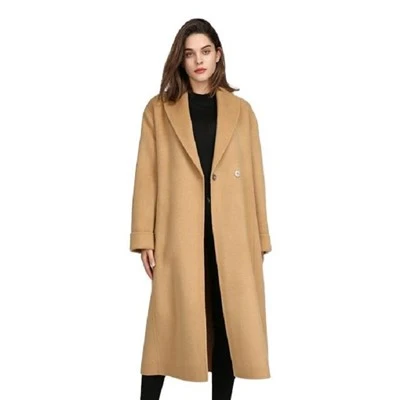
First, let’s start with the part most people skip before they even touch a dye bottle: picking the right shirt and dye type. Not all shirts are made equal, and if you pair the wrong dye with the wrong fabric, you’ll end up with a patchy, fading mess that falls apart after two washes. From my supply experience, 90% of the shirts I recommend for dyeing are 100% cotton, linen, or rayon—fibers that accept dye evenly and hold onto it well. Synthetic fabrics like polyester? They’re a no-go for standard fabric dyes; you need a special disperse dye that requires high heat to bond, which is way more work for a first-timer, and even then, the color often looks less vibrant than it would on natural fibers. That’s why I always keep a stock of 100% cotton basics in my warehouse for custom dye projects—they’re consistent, forgiving, and perfect for everything from solid dye jobs to tie-dye patterns.
Next, the dye itself. I’ve tested every type on the market: all-purpose dyes, fiber-reactive dyes, even the cheap boxed dyes from big-box stores. Here’s the truth: if you want a color that stays, fiber-reactive dye is the only way to go for natural fabrics. Unlike all-purpose dye, which sits on top of the fiber and washes out after a few cycles, fiber-reactive dye actually bonds with the molecules in cotton, linen, and rayon, creating a color that’s fade-resistant and holds up to regular wear. Does it cost a bit more than boxed dye? Sure—but when a customer comes back to me saying their custom-dyed shirt is still bright after 18 months of washes, that’s the return on investment I care about. I’ve tried cutting corners with cheaper dyes, and too many times, the color ran onto other clothes in the wash or faded to a dull grey after just two wears. For anyone working with my shirts supply, I always point to fiber-reactive dye as the best starting point.
Now, let’s get to the step-by-step process, the part where most people mess up because they skip small, critical prep steps. First, prep your shirt. Old shirts have fabric softener, detergent residue, and even body oils that create a barrier between the dye and the fiber—so if you dye an unwashed shirt, you’ll get patchy results. Wash your shirt (and only your shirt, no other clothes!) in hot water with a gentle, fragrance-free detergent, no fabric softener, and then leave it damp. Damp fabric absorbs dye more evenly than dry fabric, so don’t wring it out completely.
Then, mix your dye. For fiber-reactive dye, you’ll need two parts: the dye powder mixed with warm water, and a separate solution of soda ash (this is what helps the dye bond to the fiber—don’t skip this step, it’s non-negotiable). Soda ash is safe to handle, but I always recommend wearing nitrile gloves, since dye can stain skin and clothing. Fill a plastic tub or stainless steel pot (never use aluminum, it reacts with dye) with enough warm water to fully submerge your shirt. Add the soda ash, stir until it dissolves, then add your dye solution, and mix well. The water should be the color you want your shirt to be—remember, the color will darken a little when the shirt dries, so err on the side of a lighter shade if you’re unsure.
Now, the dye job. For a solid color, just submerge the shirt fully in the dye bath, making sure there are no folds or bunches. Agitate it every 5 to 10 minutes for the first 30 minutes—stir it with a wooden spoon, lift it out and press it back in, so the dye penetrates every part. I usually let shirts sit in the dye bath for 1 to 2 hours, depending on how dark I want the color. If you want a pattern, like tie-dye or ombre, now’s the time to manipulate the fabric: fold it, twist it, rubber band sections, or dip the bottom half in dye for an ombre effect. I’ve found that starting with a damp shirt makes folding and twisting easier, and the patterns come out more crisp.
Once the dye time is up, here’s the second most skipped step: rinsing. Don’t just yank the shirt out and toss it in the washing machine. First, rinse it in cold water, stirring every few minutes, until the water runs clear—this takes 10 to 15 minutes, and it’s how you stop the dye from continuing to stain. Then, wash it alone in hot water with a mild detergent, and dry it on medium heat. I always tell people to wash their dyed shirt separately for the first 3-4 washes, just in case a little extra dye comes out, and to avoid drying it with anything that could pick up stray color.
Now, let’s talk about common mistakes I see people make, and how to avoid them, because even with the right steps, small missteps can ruin a good dye job. First, don’t over-dye: if you leave a shirt in the dye bath too long, the color will be uneven, especially on textured fabrics like linen. I once left a linen button-down in dye for 4 hours because I wanted it dark, and the collar and cuffs (which were folded over) ended up way darker than the rest of the shirt—lesson learned. Second, don’t use hot water for pre-wash: hot water pre-wash is good, but too hot, or using fabric softener, leaves a residue that blocks dye. I’ve had clients send back shirts they tried to dye, and half the time, the problem was they used a detergent with fabric softener. Third, don’t skip soda ash: I tried skipping it once, just to see what would happen, and the dye washed out after one wash—total waste. Soda ash is cheap, easy to get, and it makes all the difference in color retention.
From my shirts supply experience, I’ve also learned that custom dye projects are a big part of what keeps customers coming back. Small businesses, event planners, and even individuals will order bulk plain shirts from me to dye for branding, team uniforms, or personal projects. I always tell them to order 10% more shirts than they need, because sometimes a dye job will turn out uneven, or a shirt will have a small flaw in the fabric that shows up when it’s dyed. Cotton is the most consistent, but even the best fabric can have tiny variations, so a little buffer goes a long way.
Another tip: if you’re dyeing multiple shirts at once, don’t crowd the tub. I once tried to dye 10 tees in a 5-gallon tub, and they stuck together, resulting in patches where the dye never touched. For best results, have enough dye water to fully submerge each shirt, and leave space between them so they can move freely. If you’re doing a large batch, split them into two tubs instead of overcrowding one.
What about older shirts, the ones you want to revive? I’ve dyed dozens of faded cotton tees that were too worn to donate, and the trick there is to use a color that’s darker than the original. If you try to dye a faded light pink shirt light blue, you’ll get a muddy purple-brown mess, but dyeing it navy will cover the old color evenly. That’s a trick I use all the time for both small projects and bulk orders—reviving old, plain shirts into something new is one of the most satisfying parts of working in this industry.
Now, if you’re thinking about trying this with bulk shirts from a supply, I can’t stress enough the value of working with a supplier who knows fabric and dye compatibility. Not all shirts are created equal: pre-washed vs. unwashed, heavyweight vs. lightweight, even the way the fabric is woven can affect how dye takes. A good shirts supplier will have tested their fabrics for dyeability, so you don’t have to waste time and money testing on your own. That’s why I always tell anyone looking to do custom dye projects to partner with a supplier who understands the process—we can offer guidance on which styles work best, how much dye you’ll need, and even tips for getting consistent results across a whole batch.
I’ve learned so much over the years, both from testing dye in my warehouse and from working with customers who come to me with their own dye projects. The biggest takeaway? Dyeing a shirt isn’t about perfection—it’s about creating something that feels personal, whether it’s a one-of-a-kind piece for yourself or a uniform for a team. It’s also a way to give old, overlooked shirts a new life, which is something I care a lot about in a world where fast fashion creates so much waste. Instead of tossing a plain shirt you don’t wear, give it a new color—it’s a small, easy step that makes a big difference.
If you’re interested in sourcing high-quality, dye-friendly shirts for your next project, or have questions about custom dyeing for bulk orders, don’t hesitate to reach out and connect to discuss your needs. I’m always happy to share tips, help you pick the right fabric, or walk through the process step by step to make sure your dye project turns out exactly how you want it.
Swimwear References:
- The Textile Institute. (2021). Color Fastness of Textiles and Apparel. Woodhead Publishing.
- Johnson, E. (2019). The Complete Guide to Natural and Synthetic Fabric Dyes. Craft Books Press.
- Occupational Safety and Health Administration (OSHA). (2020). Safe Handling of Fabric Dyes and Chemicals for Textile Work. U.S. Department of Labor.
- Smith, L. (2022). Sustainable Textile Dyeing: Reducing Water and Chemical Waste in Small-Scale Projects. Journal of Sustainable Fashion and Textiles.
Jingjiang Bes Textile Products Co., Ltd.
Jingjiang Bes Textile Products Co., Ltd. is one of the most experienced shirts manufacturers and suppliers in China. We are committed to providing high quality custom service, OEM/ODM service and private label service for global clients. If you’re going to buy bulk premium shirts, welcome to get samples from our factory. Also, low MOQ and 2 years warranty are available.
Address: No.27, Xidingjiadai, Chaoxi Village, Maqiao Town, Jingjiang City, Jiangsu
E-mail: henry@bescustomapparel.com
WebSite: https://www.bescustomapparel.com/
