Hey there, if you’ve ever stared at a pile of piping parts for a project and wondered “wait, is this a ball valve or a plug valve?”, you’re not alone. I’ve been in the valve game for almost 12 years now, working with all kinds of clients—from residential plumbers fixing a leaky basement line to energy folks laying 100+ mile process pipelines—and let me tell you, mixing these two up is way more common than you’d think. Early on, I once quoted a plug valve for a client who needed a ball valve for a corrosive chemical line, and they ended up having to shut down operations (costing them like 30k) to swap it last minute. Oops. That mistake’s stuck with me, so I’m breaking this down like I would over a coffee with a new client—no stuffy engineering jargon, just the real, practical differences you actually need to know when picking parts. Ball Valve
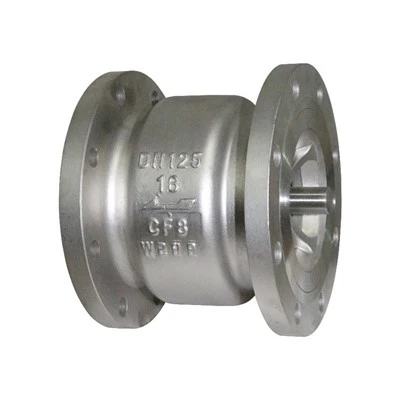
First, let’s start with the basic vibe of both: they’re quarter-turn valves, meaning you turn the handle 90 degrees to go from fully open to fully closed. No spinning a wheel 10 times like a gate valve, that’s the easy part. Where they differ is that quarter-turn core: ball valves use a hollow, spherical core (that’s the “ball” part, duh) and plug valves use a tight, tapered cylinder (the “plug”) inside the body. But it’s way more than just shape—let’s get into the nitty gritty that matters for your project.
Let’s talk about sealing first, because that’s the whole point of a valve, right? You don’t want leaks, period. Ball valves have two main sealing styles: full bore (the hole’s the same size as the pipe) and reduced bore (slightly smaller). The seal happens when the ball’s two seat rings (usually PTFE, that plastic stuff) squeeze against the ball’s surface. Now, here’s the thing: most ball valves are “ bubble-tight” when closed, even with lower pressure. Why? Because the PTFE seats conform to imperfections on the ball super easily. I’ve had clients use ball valves for compressed air lines at 150 PSI and zero leaks for years—no complaints.
Plug valves? Their sealing is a bit different. Most standard plug valves are either lubricated (you inject grease between the plug and body to fill gaps) or non-lubricated (they use a built-in liner, like PTFE or metal). Lubricated plug valves are super common in oil and gas, actually—they can handle really high pressure, like up to 10k PSI, which most standard ball valves can’t touch. But the tradeoff? If you don’t regrease them regularly, they can leak. And if the grease gets contaminated, that’s even worse—you’ll get gunk in your line, which is a headache. Non-lubricated plug valves are better for clean lines, but they tend to wear faster than ball valves over time because the metal plug rubs against the body a bit every time you turn it.
Next up, applications—this is where most people mess up picking the wrong one. Let’s start with where ball valves shine. If you’re dealing with water, gas, oil (non-corrosive), or even mild chemicals, ball valves are your go-to. They’re durable, easy to maintain, and way cheaper than plug valves for most standard sizes. I supply ball valves for a lot of HVAC contractors and municipal water departments because they last forever when installed right. The big win for ball valves is that they don’t have a “dead spot” when opening—when you turn the handle a quarter turn, the full hole opens immediately, no restriction. That’s great for when you need full flow fast, like filling a tank or draining a line.
But wait, ball valves aren’t perfect. They’re not great for thick, sticky stuff—like sludge, crude oil with lots of solids, or slurry. Because the ball’s hollow, that gunk can get trapped in the hollow part, and when you turn it, it can scratch the ball or the seats, leading to leaks. I once had a client try to use a ball valve for a wastewater line with grit, and it failed in 6 months—turned out the grit had scratched the PTFE seat so bad it wouldn’t seal. Plug valves? They handle that way better. The tapered plug can shear through light sludge, and the lubricated ones flush out any gunk when you open/close them. So plug valves are the ones to reach for when you’ve got viscous media, high pressure, or abrasive materials. Oil refineries use them all the time for crude lines, and chemical plants use them for corrosive stuff that would eat through ball valve seats fast.
Wait, let’s also talk about maintenance, because that’s a big cost factor over the life of a valve. Ball valves are super low-maintenance. You just check the seats every few years, and if they wear, you can swap them out easily—no need to replace the whole valve, usually. I tell clients that if you install a good ball valve (not the cheap ones from the big box store), it can last 20+ years with almost no work. Plug valves, though? Lubricated ones need regreasing every 1-2 years, depending on the application. If you skip that, you’ll get leaks or the plug will get stuck. Non-lubricated plug valves need to be inspected more often too, because the liners wear out faster than ball valve seats. Yeah, plug valves can handle more extreme conditions, but they’re higher maintenance, so you’ve got to plan for that.
Size and cost? Let’s be real, everyone cares about this. For small to medium sizes (like ½ inch to 4 inches), ball valves are way cheaper. You can pick up a 2-inch full bore ball valve for like $50, and a comparable plug valve is closer to $150. Once you get into larger sizes (6 inches and up), plug valves get more competitive, and some even cheaper than big ball valves. Because large ball valves get heavy, and their seats are more expensive to make. So if you’re working with a big line, don’t just assume ball valve is cheaper—check both.
Another thing: turn torque, how hard it is to open/close the valve. Ball valves usually have lower turn torque when fully open or fully closed, but if they’re partially open, the torque jumps way up. Wait, why would you partially open a quarter-turn valve? Don’t do that—they’re designed for on/off only, not flow regulation. If you need to throttle flow, get a globe valve, that’s a whole other topic. Plug valves have higher turn torque overall, especially lubricated ones right after you regrease them, but the difference isn’t as big as ball valves when they’re partially open.
Wait, let’s cover some common myths I hear all the time. Myth #1: Ball valves can’t handle high pressure. No, that’s not true—high-pressure ball valves are a thing, just more expensive. But plug valves can go even higher, like up to 15k PSI vs most ball valves top out around 5k PSI. Myth #2: Plug valves are more reliable. No, not always. If you maintain a ball valve properly, it’s way more reliable than a neglected plug valve. If you don’t mind the maintenance, plug valves are great, but ball valves are more forgiving. Myth #3: They’re interchangeable. I hear this all the time from clients who just need a quick swap—they’re not. The flange connections might be the same size, but the flow characteristics are different, so switching a ball valve for a plug valve without adjusting the line can mess up pressure or flow rates.
Let’s use a couple real examples from my own clients to make this concrete. Last year, a commercial bakery hit me up because their old water line valve failed mid-shift. They grabbed a plug valve from the local hardware store (thinking it was the same as their old one) and installed it, but the plug valve restricted the water flow so bad their mixing machines wouldn’t run. They had to come back to me for a full bore ball valve, and their operations were back up in 4 hours. Another example: an oil and gas client needed a valve for a crude line with sand. They tried a ball valve first, and it wore out in 8 months. Switched to a lubricated plug valve, and it’s still going strong after 3 years—just regreased twice.
So when do you pick which one? Let’s make a quick cheat sheet I keep in my head for clients:
Pick a ball valve if: You need on/off for clean media (water, gas, mild oil, chemicals), small to medium size, low maintenance, tight bubble-tight seal, and cost is a big factor.
Pick a plug valve if: You’re dealing with viscous/abrasive media (sludge, crude oil, slurry), high pressure, large size, or need to handle high temp applications. Just plan for regular maintenance (regreasing, inspections).
Now, a quick pro tip from someone who’s done this for 12 years: Don’t skimp on quality. The cheap ball valves from the big box store? Their seats are made of crappy PTFE that cracks after a year. The ones I supply have reinforced seats, full stainless steel balls, and are tested to hold pressure for 1000 cycles. Same with plug valves—cheap lubricated plug valves have thin plugs that bend under high pressure. Spend a bit more upfront, and you’ll avoid that last-minute 30k shutdown I had early on.
If you’re working on a project right now and aren’t sure which valve you need—don’t guess. I’ve helped plumbers, plant managers, and engineers sort this out hundreds of times. I can walk you through your line size, media, pressure, and how much maintenance you want to handle, and point you to the right valve for your exact needs. Whether you need a small residential ball valve for a bathroom or a large plug valve for an industrial pipeline, I’ve got the parts and the know-how to hook you up. Reach out when you’re ready to chat specs, get a quote, or even ask a quick question—no sales pitch, just real advice from someone who’s seen the good and bad of both valves.
Butterfly Valve References:
Valve Technical Association. (2021). Quarter-Turn Valve Selection Guide. VTA Publications.
Crane Co. (2018). Flow of Fluids Through Valves, Fittings, and Pipe (TP-410). Crane Valve Group.
Perry, R. H., & Green, D. W. (2019). Perry’s Chemical Engineers’ Handbook (9th ed.). McGraw-Hill.
Wenzhou Starry Valve Co., Ltd.
Wenzhou Starry Valve Co., Ltd. is one of the most professional ball valve manufacturers and suppliers in China, also supports customized service with low price. Please feel free to buy the newest ball valve made in China here from our factory. Welcome to contact us for pricelist.
Address: No.4900, 3rd Road, Binhai Industrial Park, Wenzhou Economic & Technological Development Zone, Wenzhou City
E-mail: starryvalves@163.com
WebSite: https://www.starryvalves.com/
