If you’re in the market for a PE microduct bundle pipe and COD pipe machine, you’re probably navigating a space where the right equipment isn’t just about production speed—it’s about long-term reliability, material consistency, and compliance with industry standards for telecom and utility infrastructure. As a supplier with years of hands-on experience supporting extrusion and pipe manufacturing facilities, I’ve fielded countless questions from buyers who are unsure where to start, beyond a quick Google search for “PE microduct bundle pipe COD pipe machine.” Let’s break down the critical factors to prioritize, how to vet suppliers, and what to look for to ensure your investment delivers value. PE Microduct Bundle Pipe COD Pipe Machine
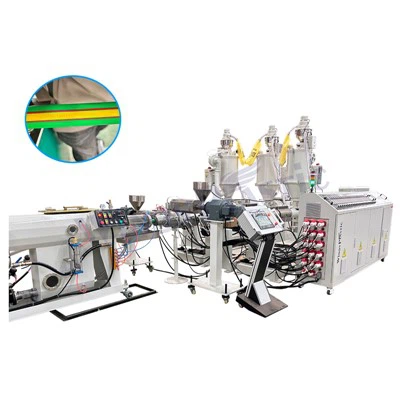
First, it’s important to clarify what exactly these machines produce, because that distinction shapes every part of your purchasing decision. PE microduct bundles are small, flexible polyethylene pipes bundled together, designed to house fiber optic cables for telecom networks. COD pipes (Concrete Overlay Duct pipes) go a step further: they’re coated or reinforced to withstand the harsh conditions of underground installation, road construction, and heavy traffic loads. Both require precise extrusion, cooling, and bundling processes that off-the-shelf pipe machines can’t handle—so you need equipment built specifically for these applications.
A common mistake buyers make is reaching out to general pipe manufacturers that offer “one-size-fits-all” extrusion lines. While those may seem cheaper upfront, they often lack the precision controls needed to maintain uniform microduct diameters, consistent wall thickness, and the tensile strength required for COD pipes. For example, a microduct bundle needs to retain flexibility enough to be pulled through conduit, but rigid enough to resist crushing during installation. A specialized machine will have adjustable extruder screws, temperature control zones tailored to PE’s melting point (typically 180–200°C for LDPE or MDPE, the most common materials for these products), and a bundling station that aligns ducts without causing kinks or surface damage.
So, where should you look for a supplier that builds these purpose-built machines, rather than reselling generic equipment? Let’s start with niche industry trade shows. Events like the International Telecom Infrastructure Expo or the Pipe Extrusion Technology Summit bring together manufacturers focused on telecom duct and utility pipe equipment, as well as end-users who share honest feedback about their machine performance. At these shows, you can tour live demos, test small-scale production runs, and meet the engineering team behind the machine—something you can’t get from a cold online inquiry. I’ve seen buyers who bought machines from trade show-exhibited suppliers save 20% on installation costs, because the vendor’s team is local and familiar with the equipment’s setup.
Next, vertical industry associations. Organizations like the Fiber Broadband Association (FBA) or the Utility Pipe Manufacturers Association (UPMA) maintain directories of verified equipment suppliers that specialize in microduct and COD pipe production. These associations vet members to ensure they meet industry quality standards, so you can skip the risk of dealing with unvetted third-party sellers. For instance, the FBA’s directory only lists suppliers that have delivered equipment to at least 10 active fiber network projects, a benchmark that filters out fly-by-night operators. I’ve referred multiple buyers to this directory, and nearly all have reported positive outcomes because the suppliers listed have deep expertise in the specific material and performance requirements of PE microducts.
Online industry forums for pipe manufacturers and telecom infrastructure professionals are another valuable resource. Platforms like Pipe Extrusion Tech Discussion Groups (on LinkedIn or specialized industry forums) let you ask questions directly from other buyers who’ve already purchased these machines. Instead of sifting through generic reviews, you can get specific insights: which suppliers offer spare parts locally, how easy it is to update machine controls for new material grades, and which models handle COD pipe reinforcement (like steel wire inserts or composite coatings) consistently. Last year, a client of mine found a less well-known but highly skilled machine builder through a LinkedIn forum; they paid 15% less than a major brand and the machine has run without unplanned downtime for 18 months, a track record that’s rare for custom equipment.
When evaluating a supplier, there are non-negotiable factors that go beyond price, because a machine is only as good as its after-sales support. First, ask about material compatibility: can the machine handle both LDPE for flexible microducts and the higher-density HDPE needed for COD pipes? Many buyers expand their product lines within two years of purchasing, so a flexible machine will save you from needing a second line. Second, inquire about quality control integration. The best machines come with built-in sensors that measure wall thickness, duct alignment, and diameter consistency in real time, which reduces scrap rate—critical because PE scrap can add up to 10–15% of production costs with poorly calibrated equipment. Third, after-sales support: does the supplier offer on-site installation, operator training, and 24/7 technical support for troubleshooting? A supplier that’s based in your region will have faster response times for breakdowns, which is essential because even a 24-hour downtime can cost thousands in lost production for a high-volume duct manufacturer.
A key red flag to watch for is suppliers that don’t offer customizations. If you need microduct bundles with 4, 8, or 12 ducts, or COD pipes with specific reinforcement layers, a one-size-fits-all machine will not meet your needs. Reputable suppliers will work with you to adjust extruder speeds, bundling station configurations, and cooling systems to match your exact output requirements. For example, a telecom contractor that needs 10,000 meters of microduct per day will have different needs than a utility company that runs 50,000 meters of COD pipe monthly, and a good supplier will tailor the machine to that scale.
Now, let’s address the most common concern buyers have: COD pipe vs. standard PE duct machine compatibility. Many people assume that a single machine can handle both products, but that’s only true if it’s designed for dual production. COD pipes require an additional coating or reinforcement step, so look for suppliers that offer modular add-ons to their microduct lines, rather than separate machines. Modular lines cut your initial investment by 30–40%, compared to buying two dedicated machines, and you can activate the COD module as your demand grows. That flexibility is especially valuable for small to medium-sized manufacturers that are expanding their product lines gradually.
Once you’ve narrowed down a shortlist of suppliers, request case studies of their work with similar clients. A supplier that has installed 20+ microduct bundle lines for fiber networks will have practical insights that a supplier that only builds generic pipe machines won’t. Ask for contact information for at least two recent clients, and don’t be afraid to ask pointed questions: How much downtime have you experienced? Did the machine meet your output and quality targets? Is spare parts supply reliable? Honest feedback from existing clients will tell you far more than a supplier’s marketing materials.
If you’re ready to move forward, the next step is to connect with suppliers that align with your needs. Don’t wait to reach out—many specialized machine builders have lead times of 8–12 weeks, especially if they’re customizing equipment for your production scale. When you contact a supplier, come prepared with your specific requirements: the type of material you’ll use, your daily output target, any special features you need (like reinforcement for COD pipes), and your location. That information helps the supplier provide an accurate quote and a clear timeline, rather than a generic, non-binding estimate.
As a supplier who works directly with these requirements, I can tell you that the right machine isn’t the cheapest one on the market—it’s the one that matches your long-term production goals, reduces waste, and has the support to keep your line running smoothly. Many buyers focus too much on initial cost, only to face unplanned downtime, high spare parts fees, and output shortfalls a few months after installation. Investing in a purpose-built machine from a verified, specialized supplier will pay off in higher quality products, lower operational costs, and the flexibility to adapt to future industry demands.
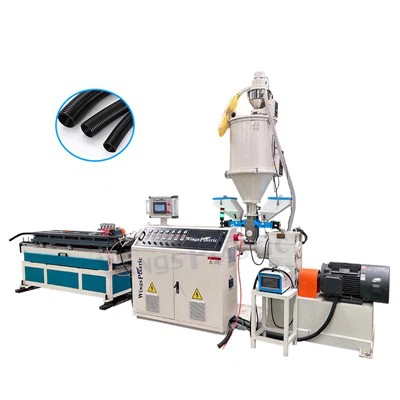
Whether you’re a startup launching a new telecom duct line, a utility company expanding your underground infrastructure products, or a manufacturer looking to diversify into high-demand COD pipes, the right PE microduct bundle and COD pipe machine is out there. By prioritizing specialized suppliers in trade events, industry associations, and professional forums, and vetting each option for customization, after-sales support, and compatibility with your needs, you’ll make an investment that drives your business forward. To discuss your specific production requirements and explore machine options tailored to your operations, reach out for a no-obligation consultation to review your needs and available solutions.
PVC Hose Machine References
- Fiber Broadband Association. (2023). Telecommunications Infrastructure Equipment and Standards.
- Pipe Extrusion Technology Association. (2022). Guide to Specialized PE Pipe Production Equipment.
- Utility Pipe Manufacturers Association. (2023). Performance Standards for Concrete Overlay Duct Pipes.
- International Telecom Infrastructure Expo. (2022). 2023 Exhibitor Directory for Duct and Pipe Manufacturing Equipment.
Qingdao Wings Plastic Technology Co., Ltd.
As one of the most experienced pe microduct bundle pipe cod pipe machine manufacturers and suppliers in China, we also support customized service. Please feel free to buy durable pe microduct bundle pipe cod pipe machine made in China here from our factory. For price consultation, contact us.
Address: C02 Of Anshengyi Road, No.2 Fuan Industry Zone,Jiaodong Town, Jiaozhou City, Qingdao City, Shandong Province,China
E-mail: kelly@wingsplastic.com
WebSite: https://www.wingsextruder.com/
